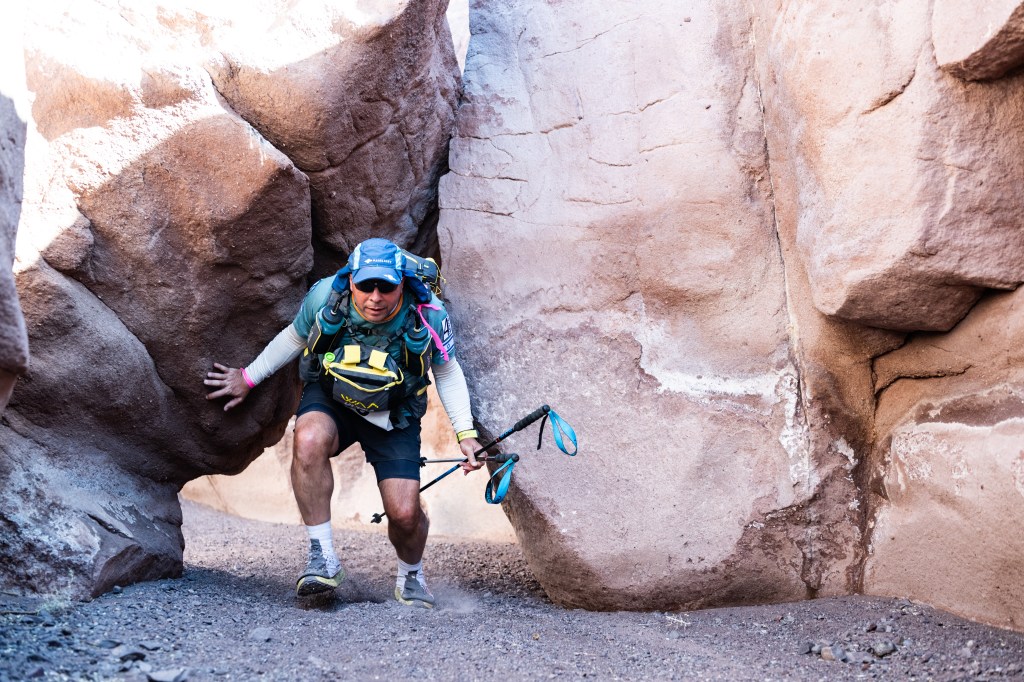
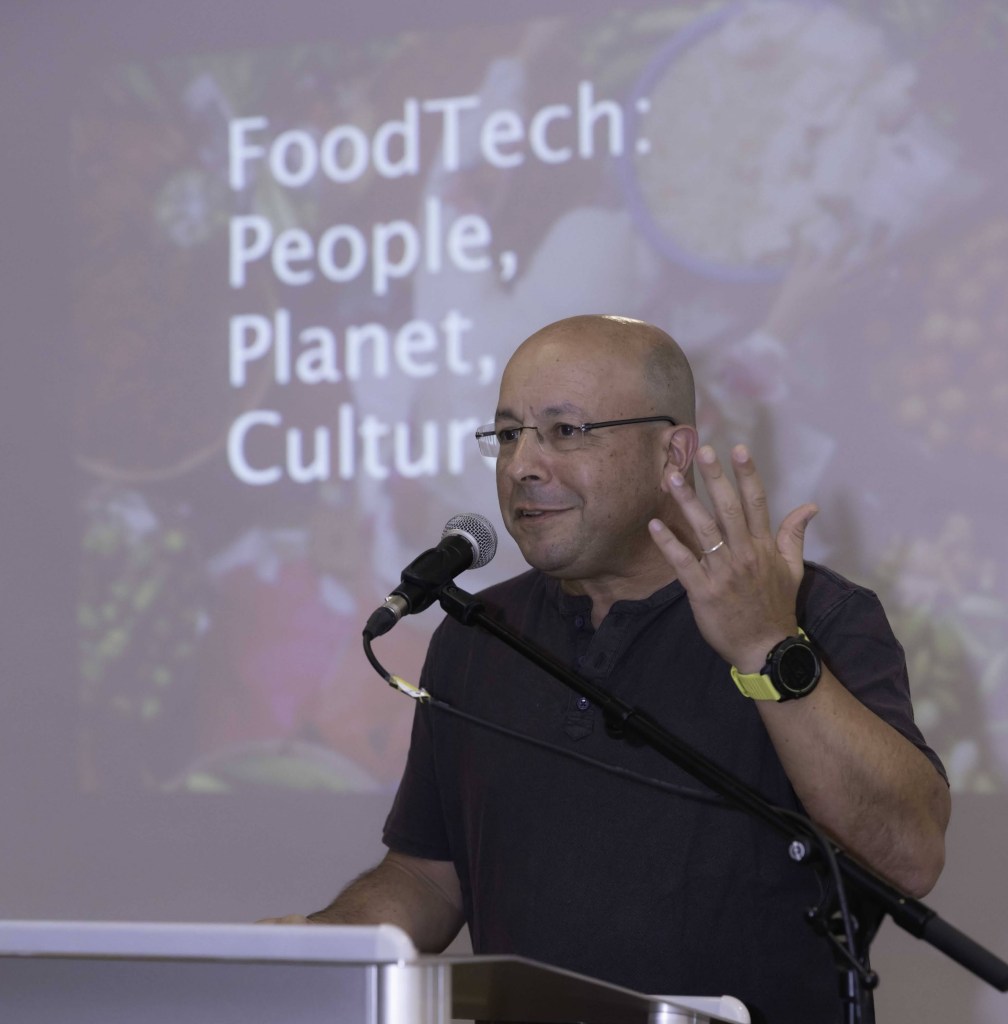
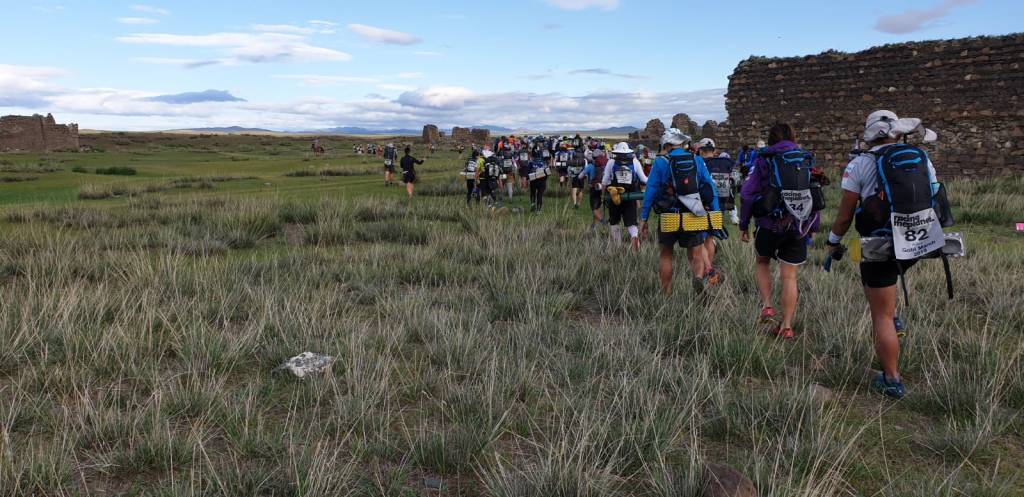
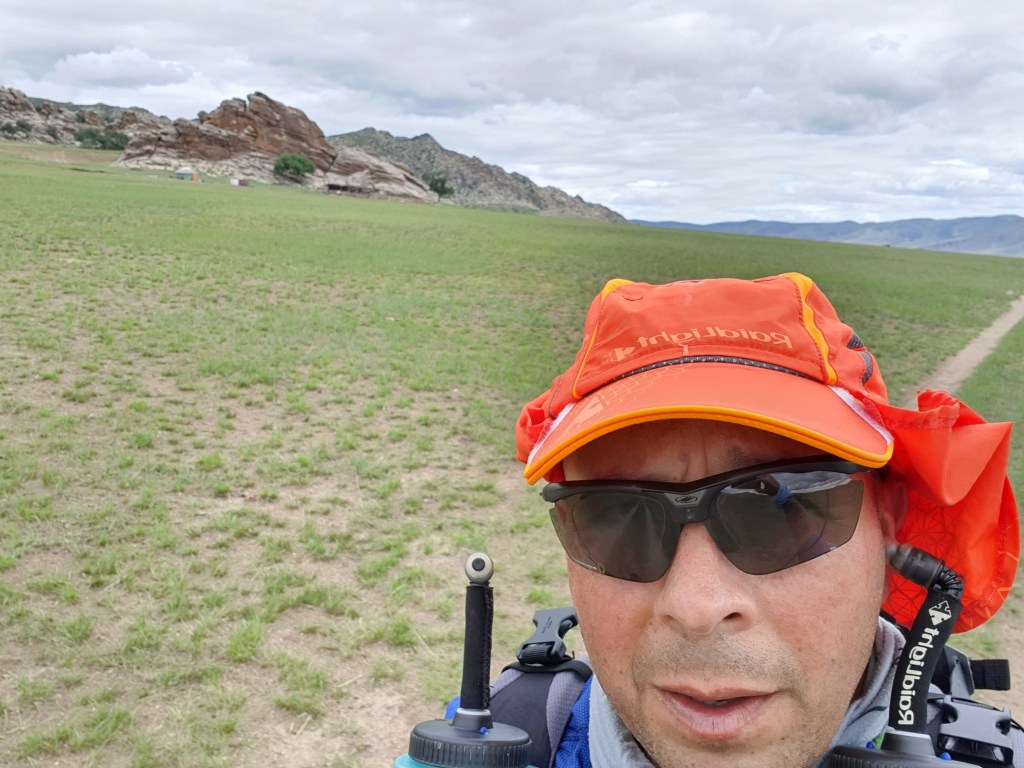
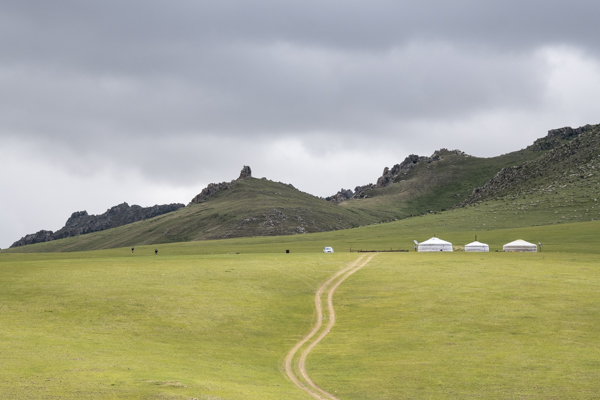
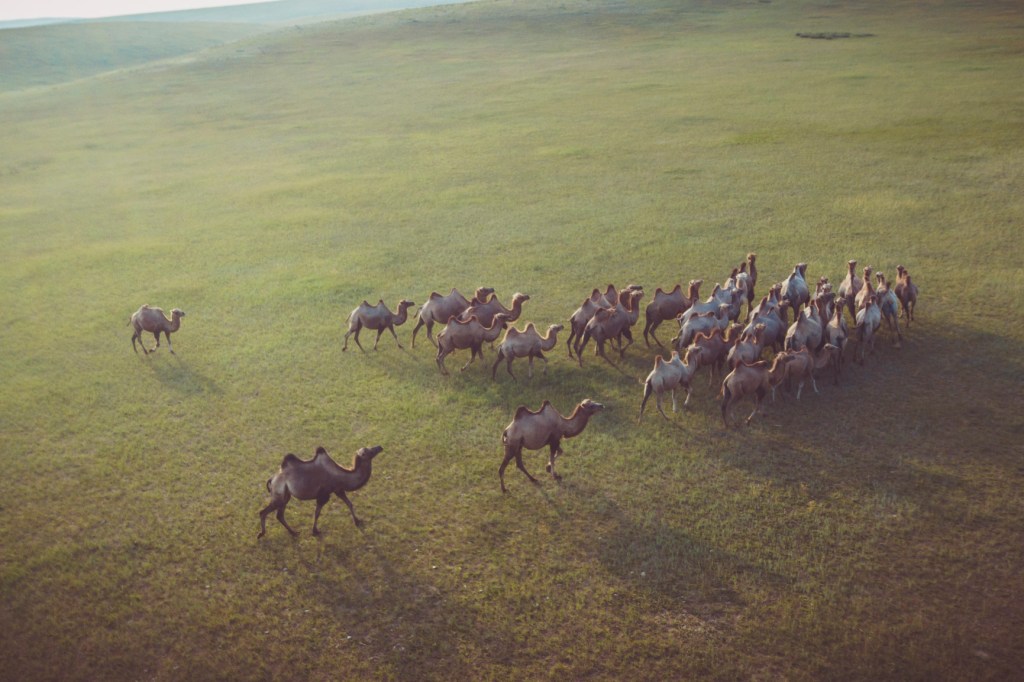
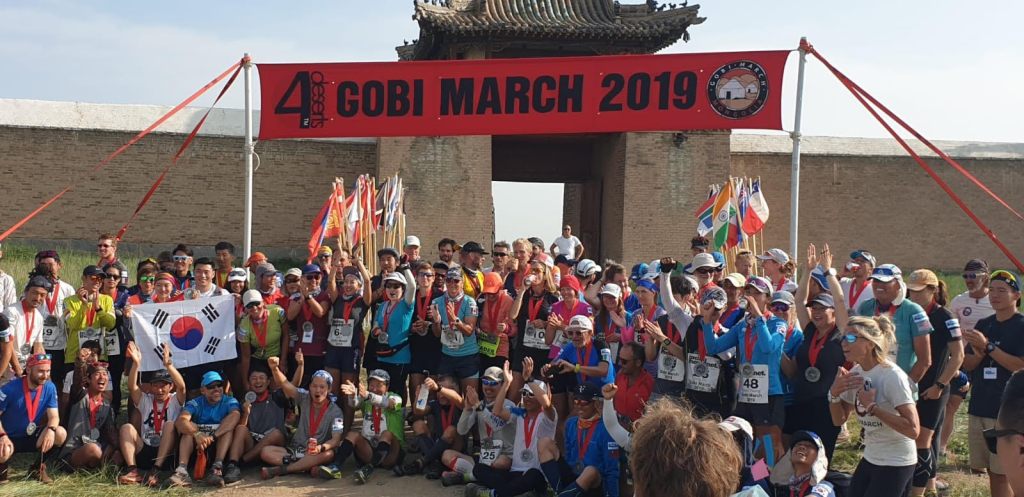
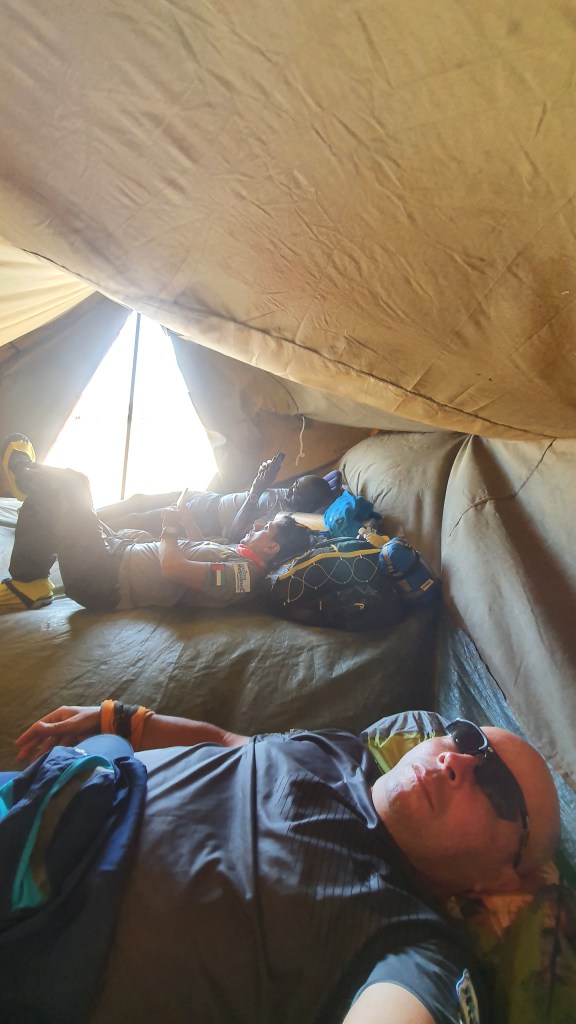
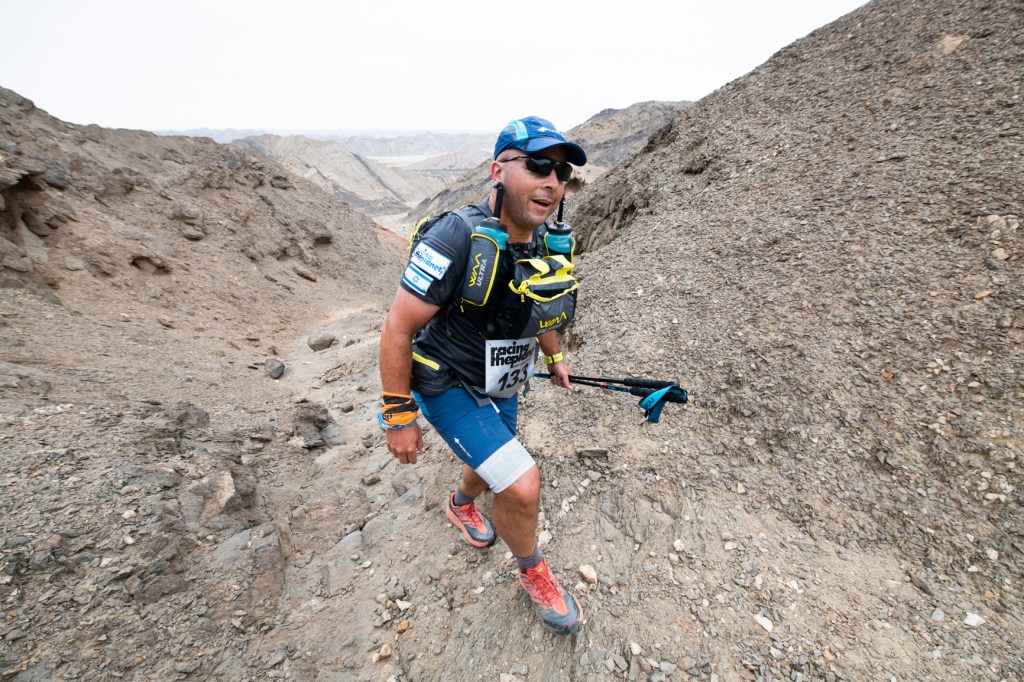
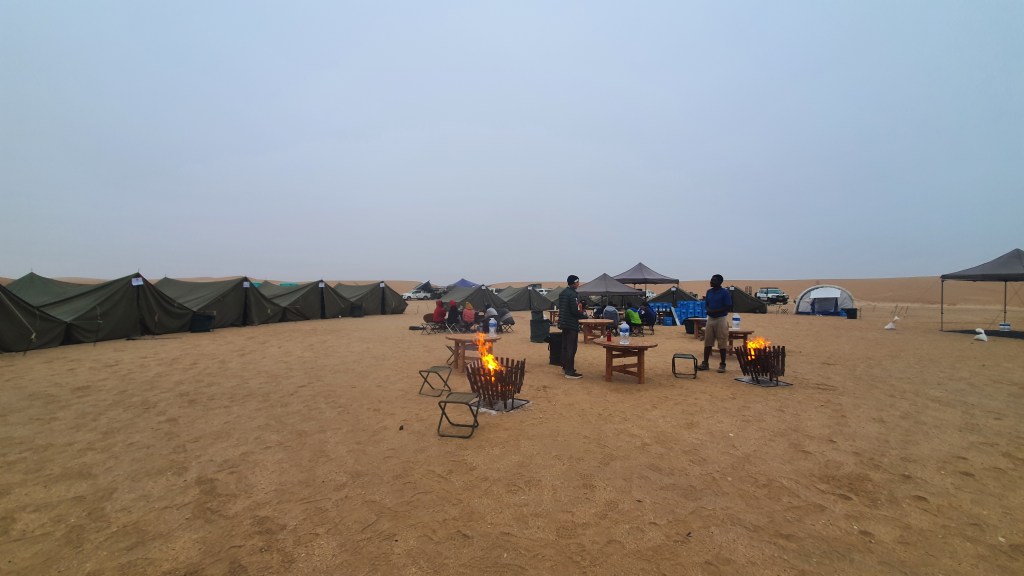
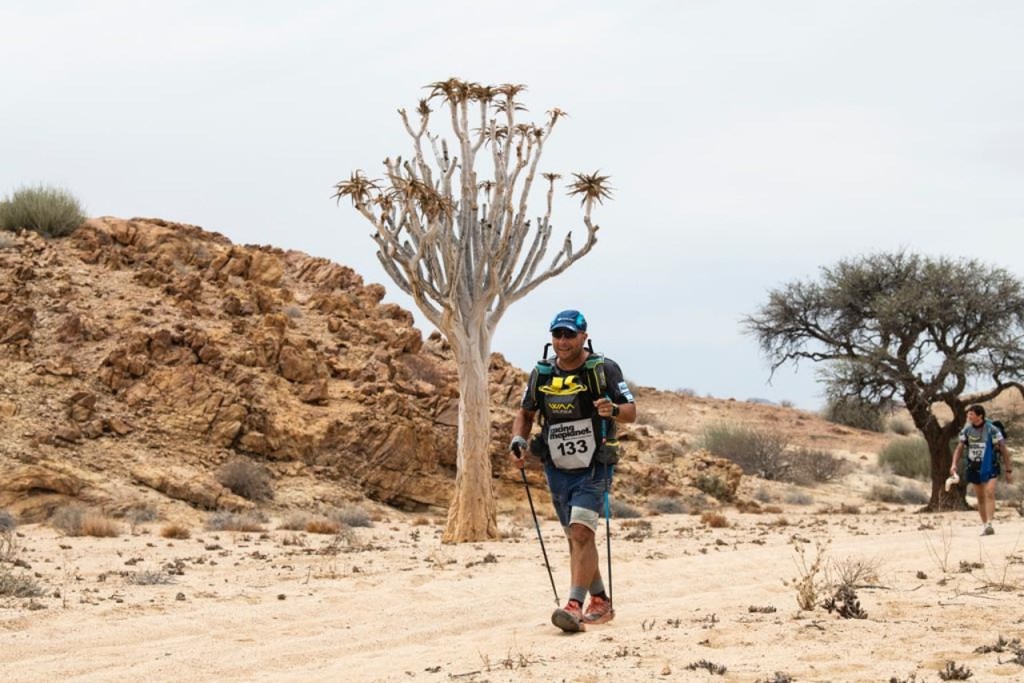
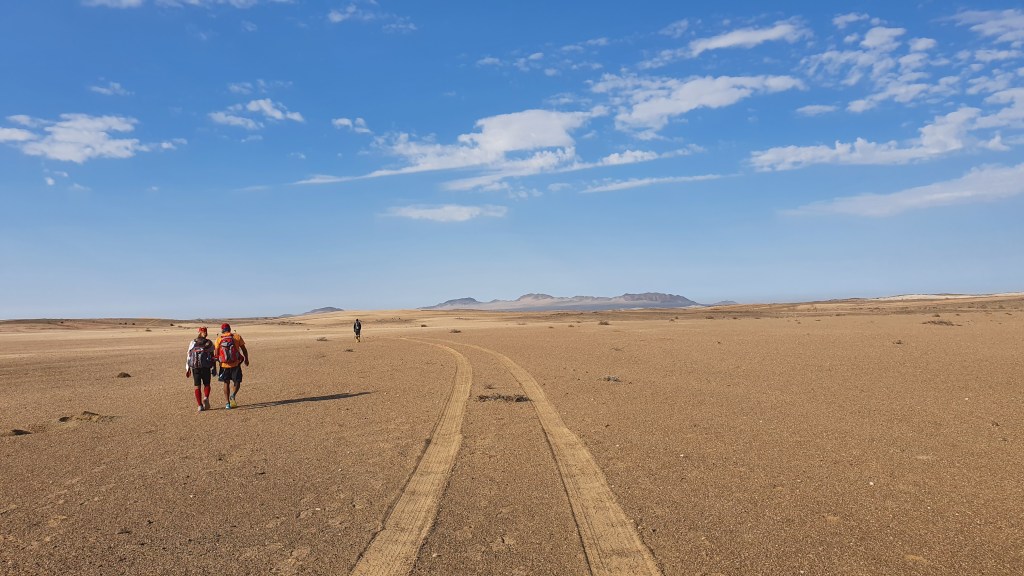
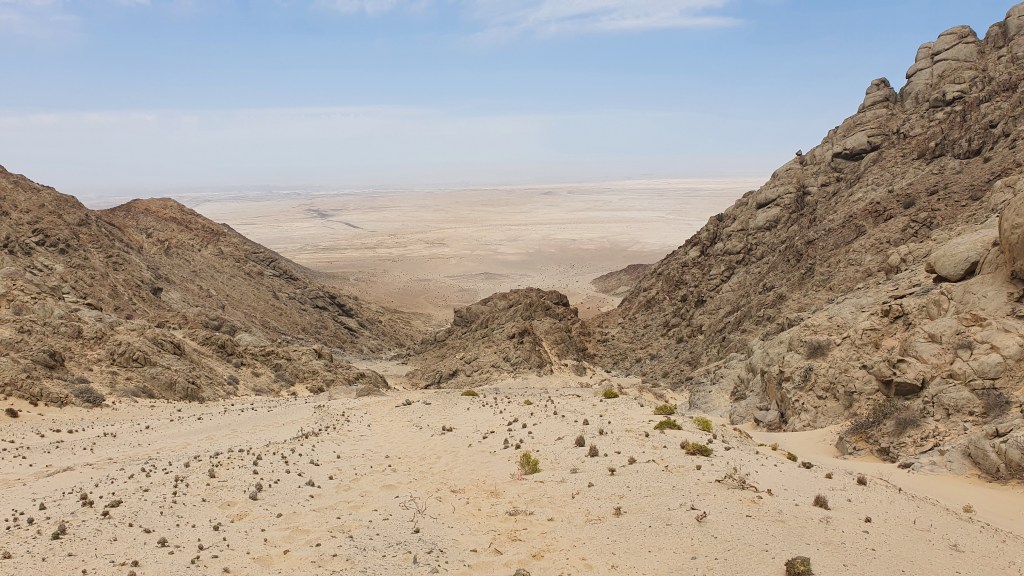
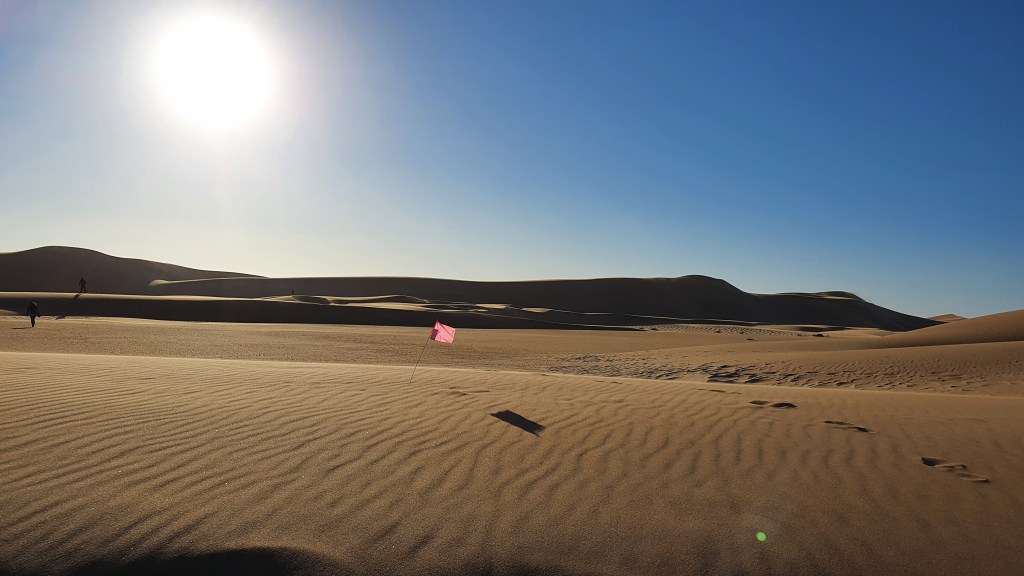
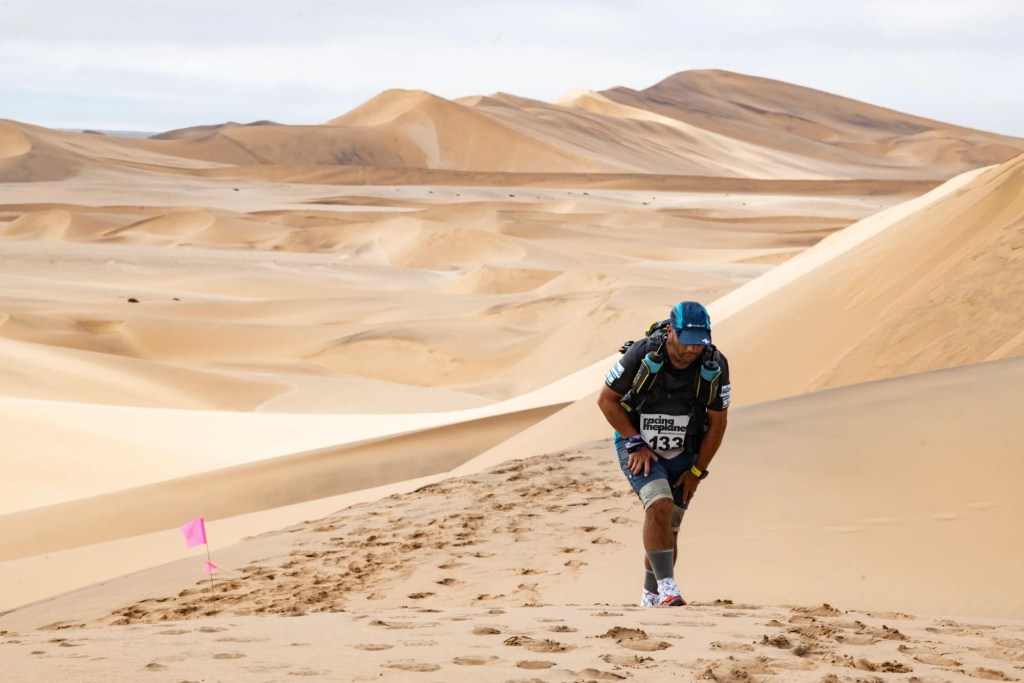
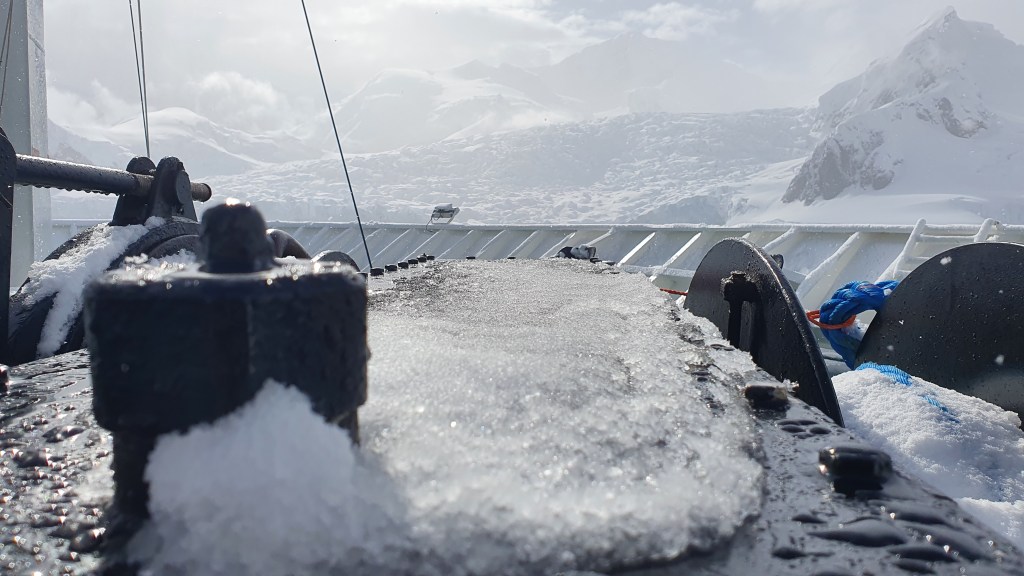
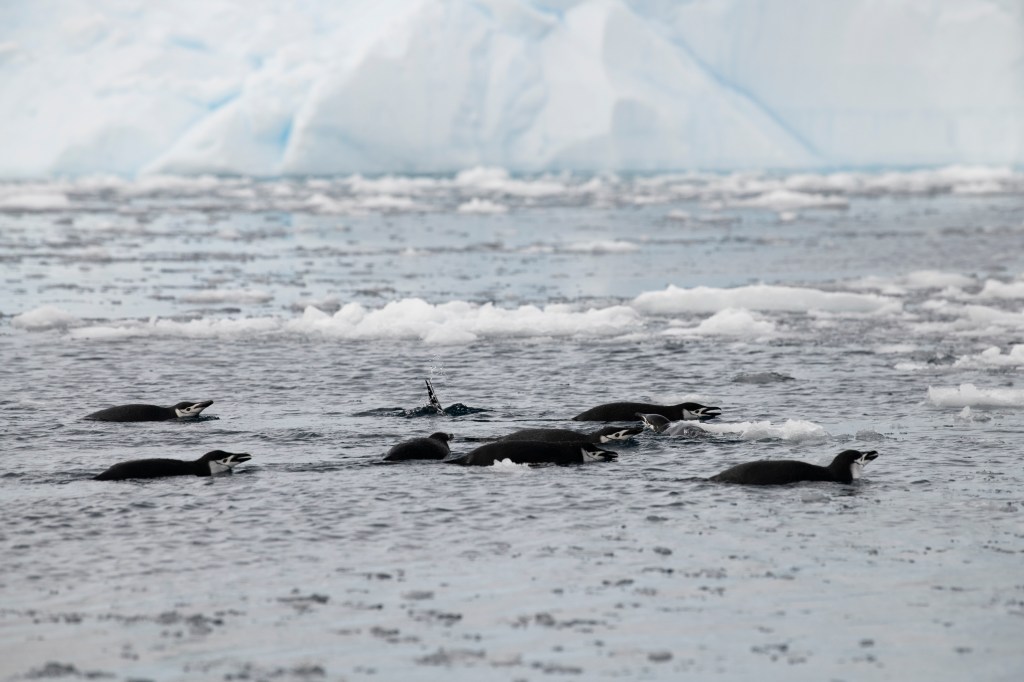
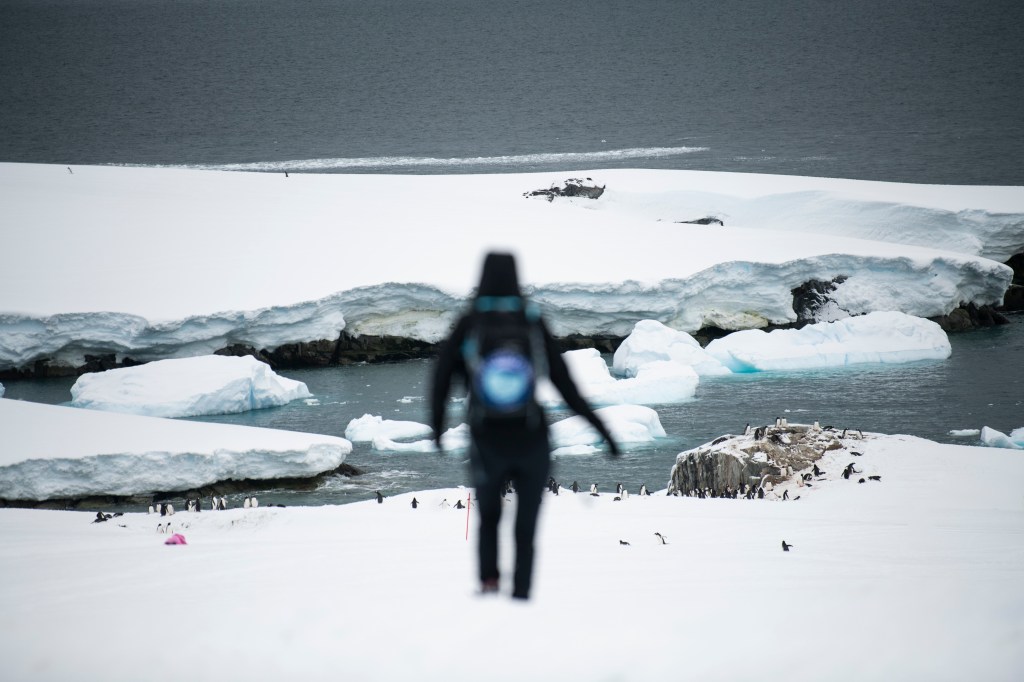
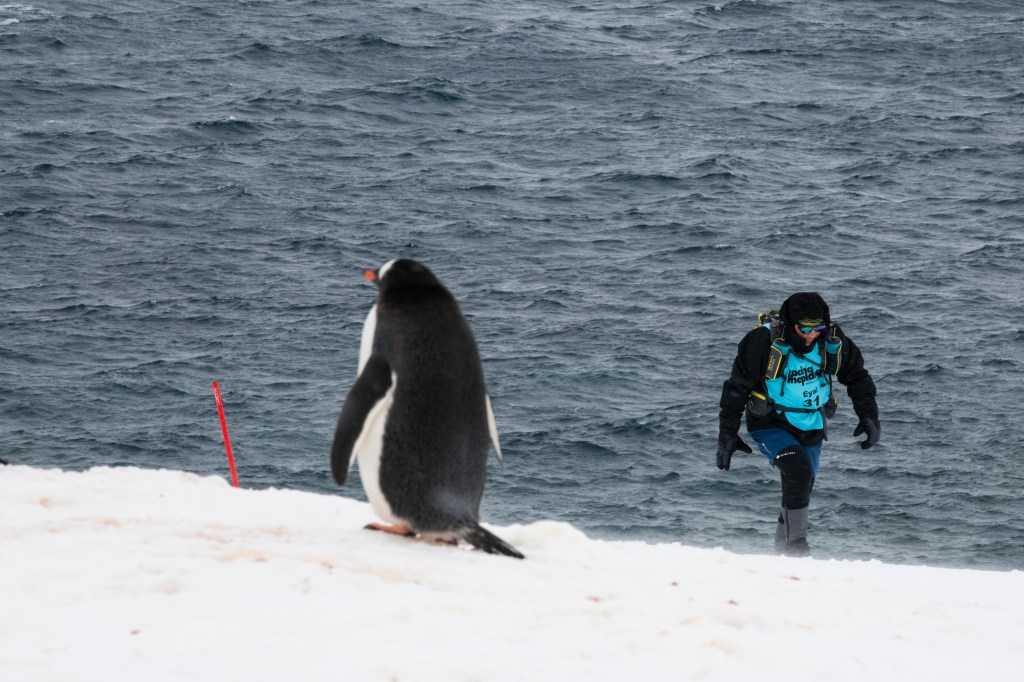
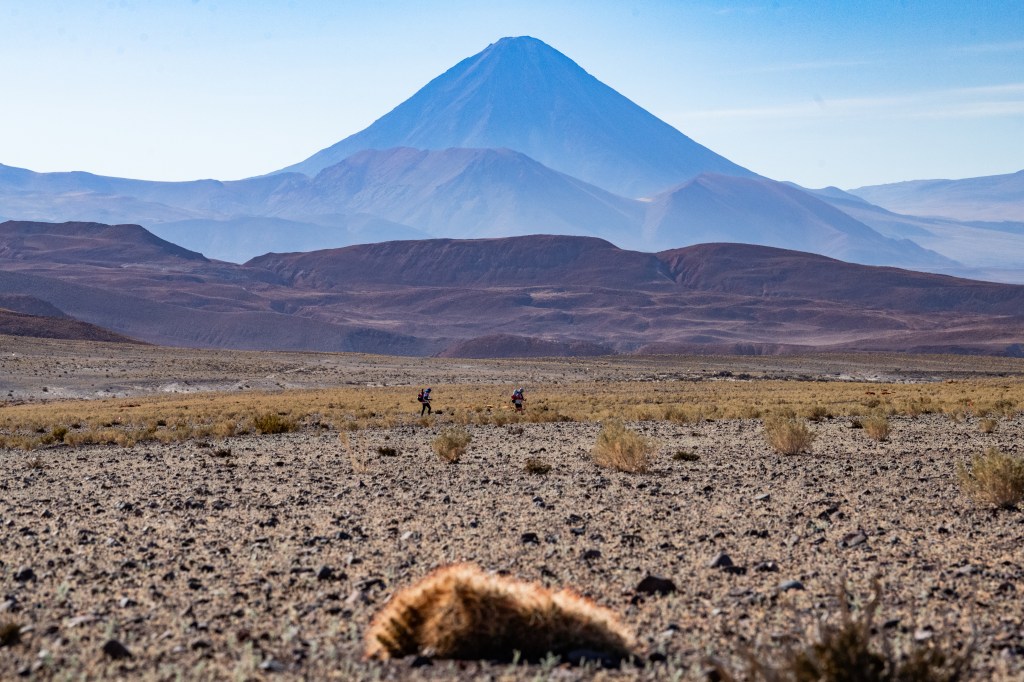
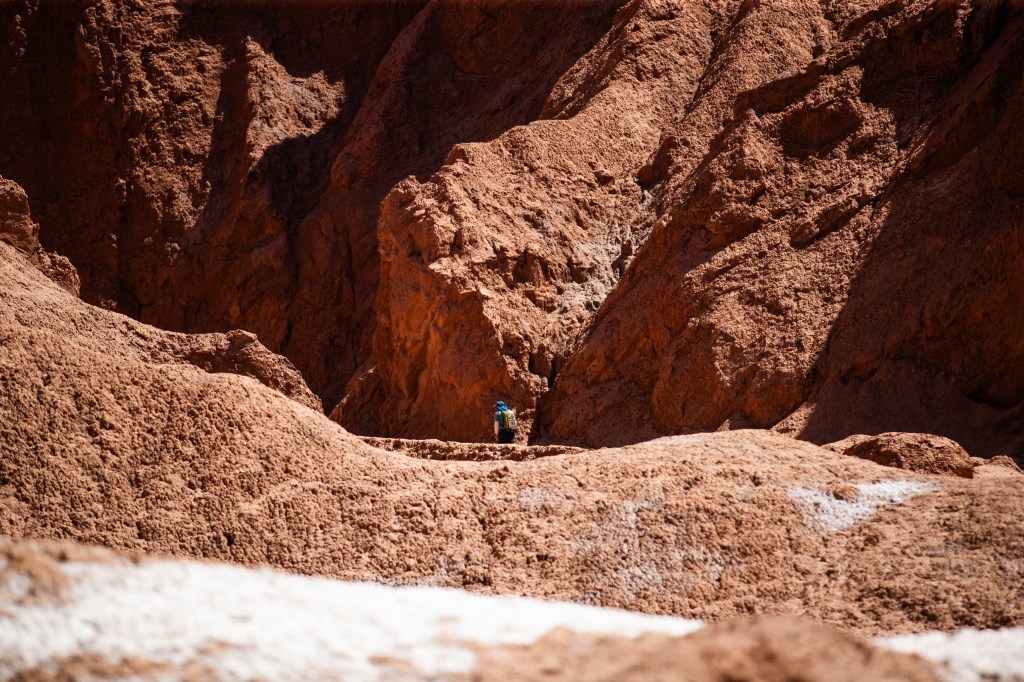
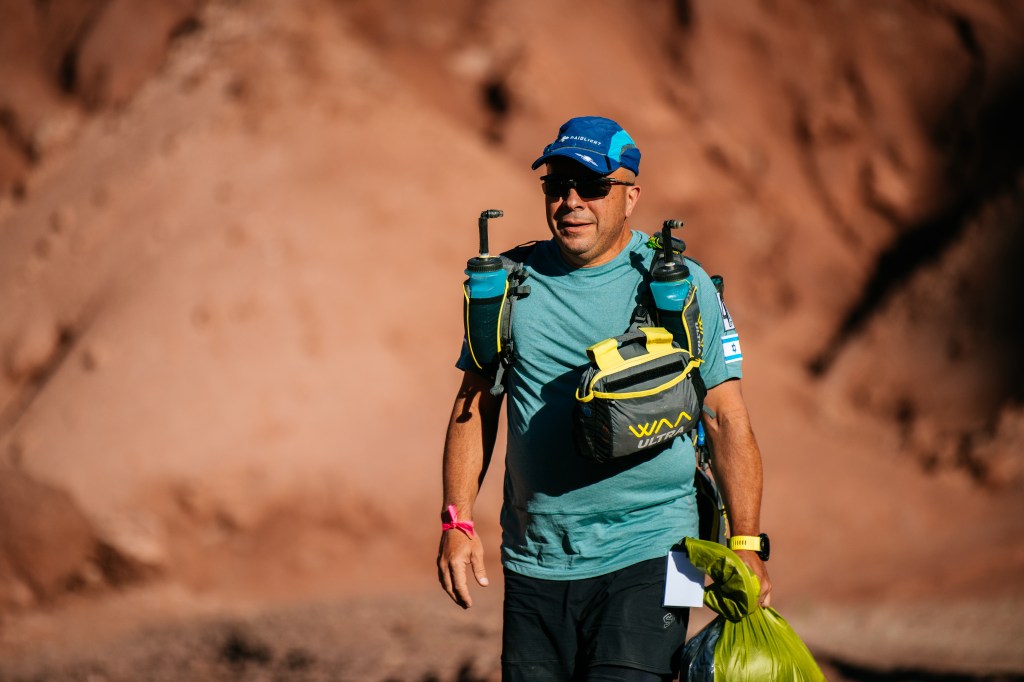
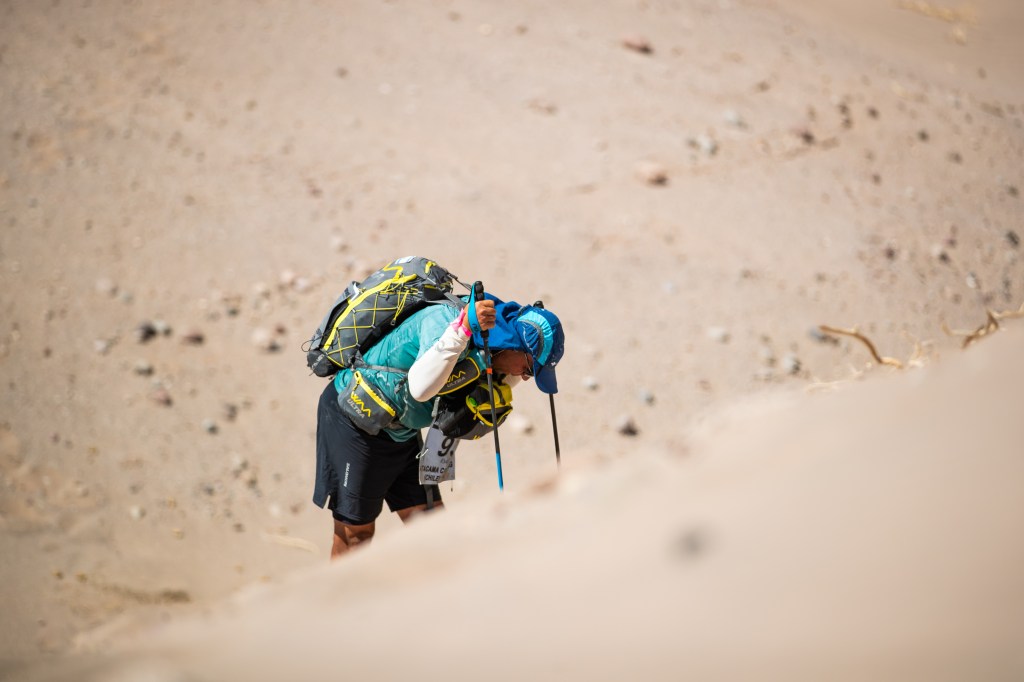
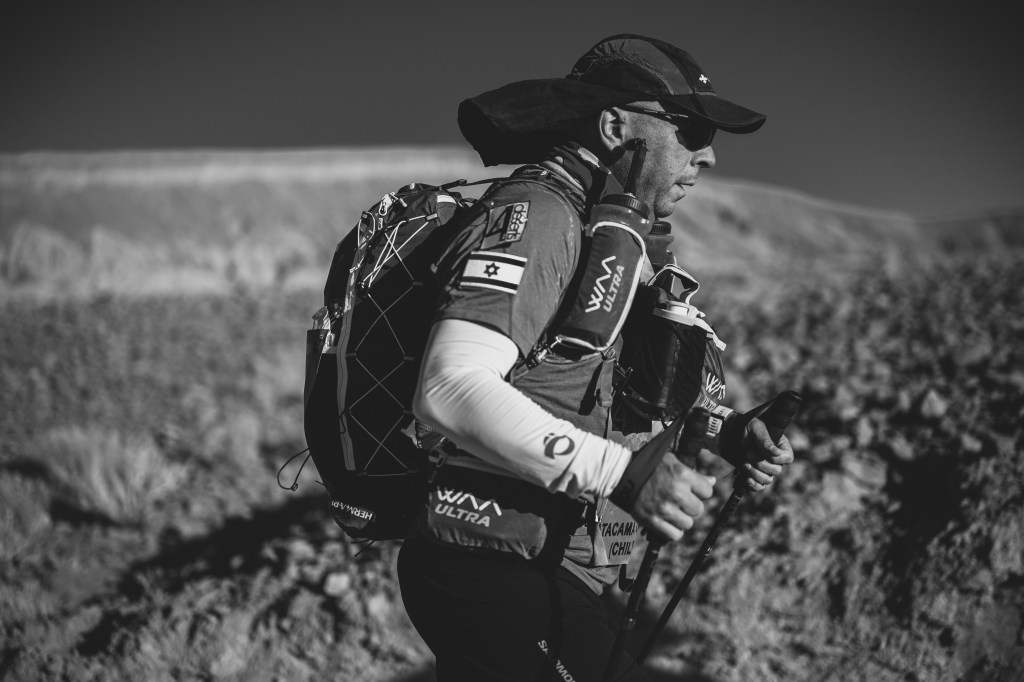
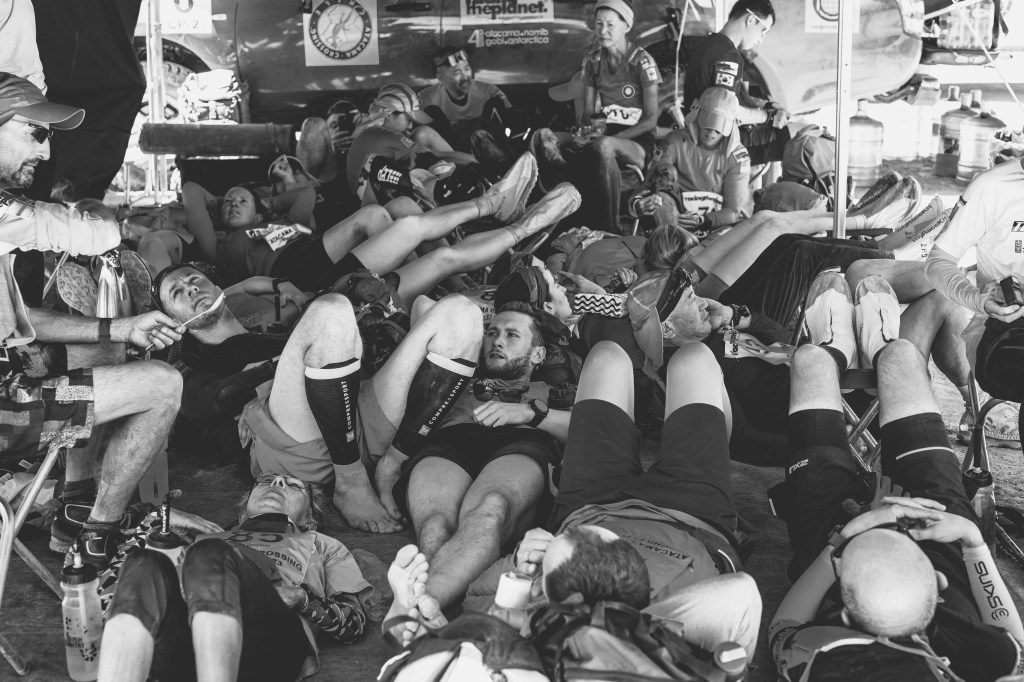
(Photo by Thiago Diz/4 RacingThePlanet/Gobi March 

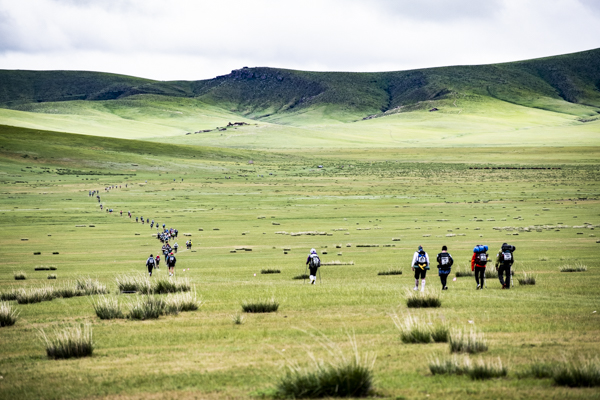
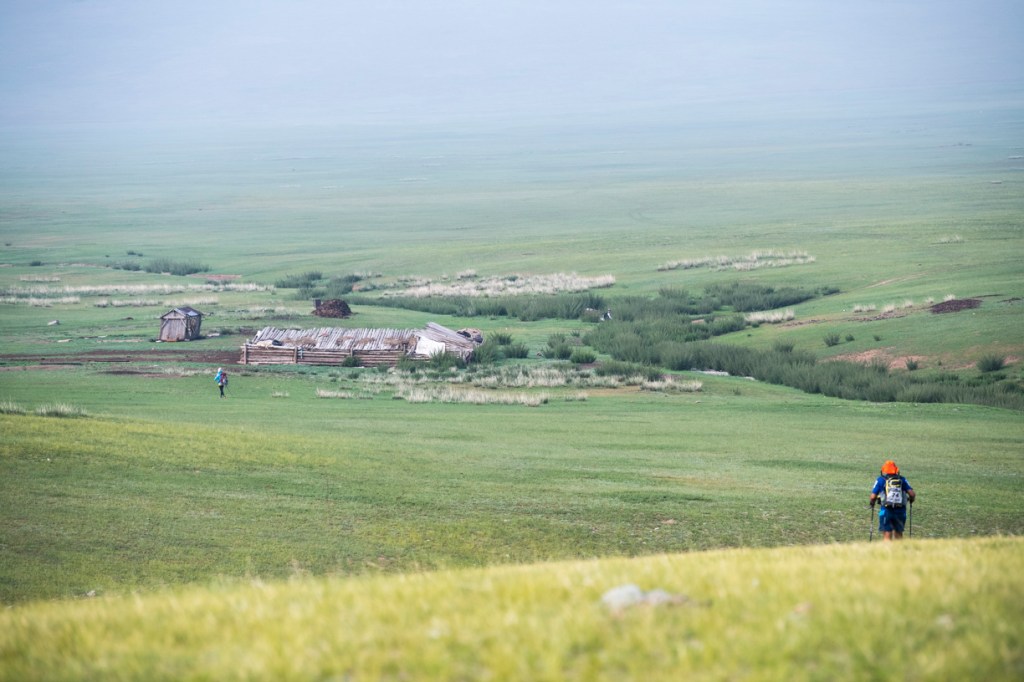
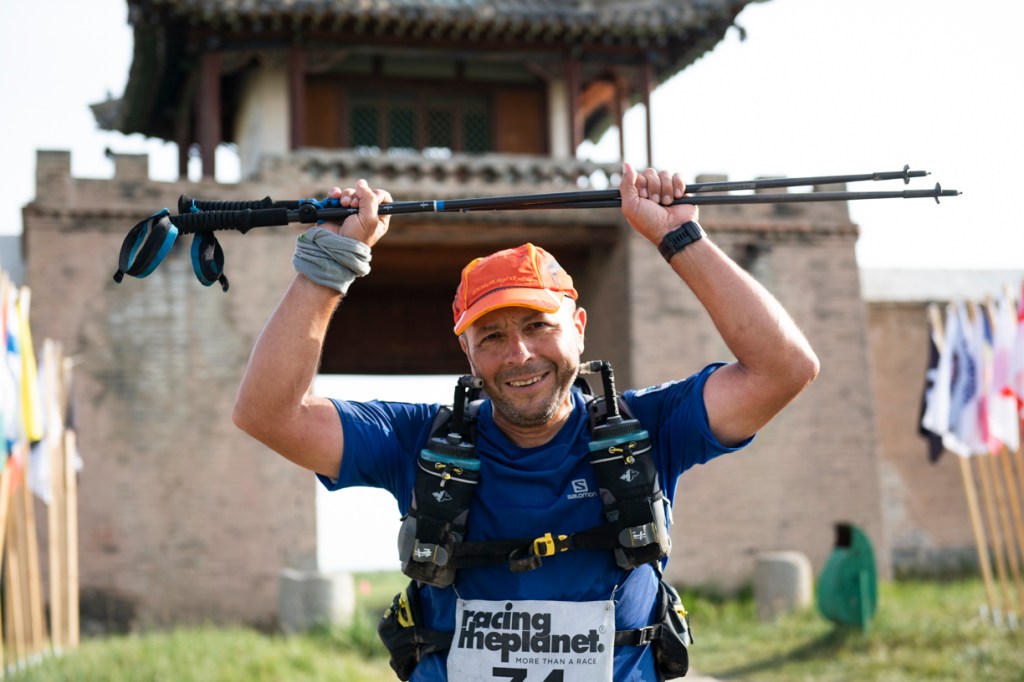
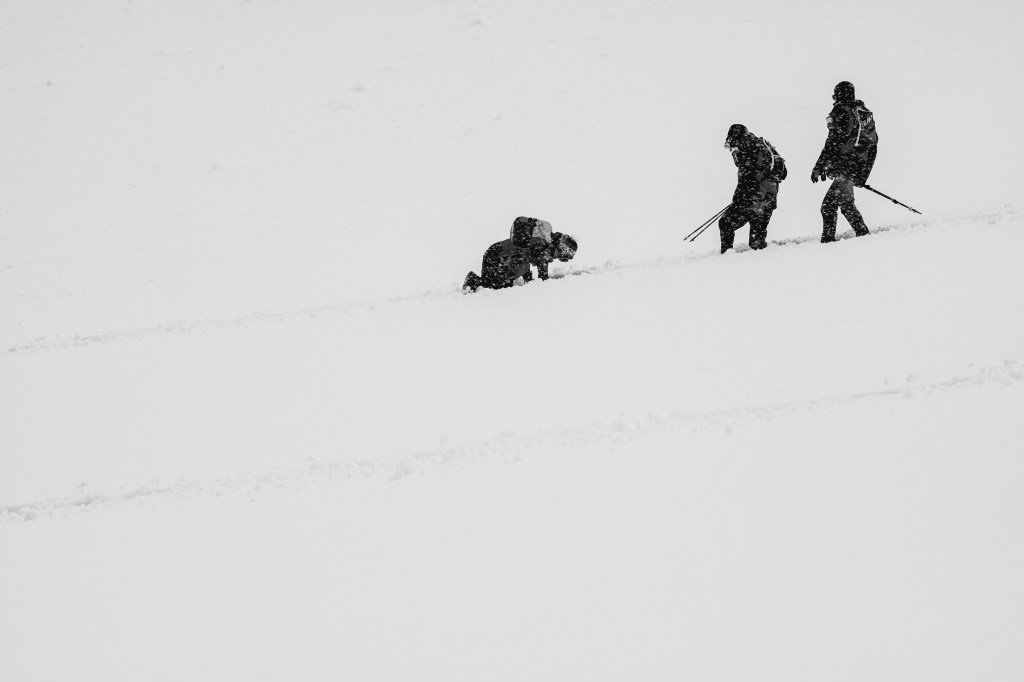
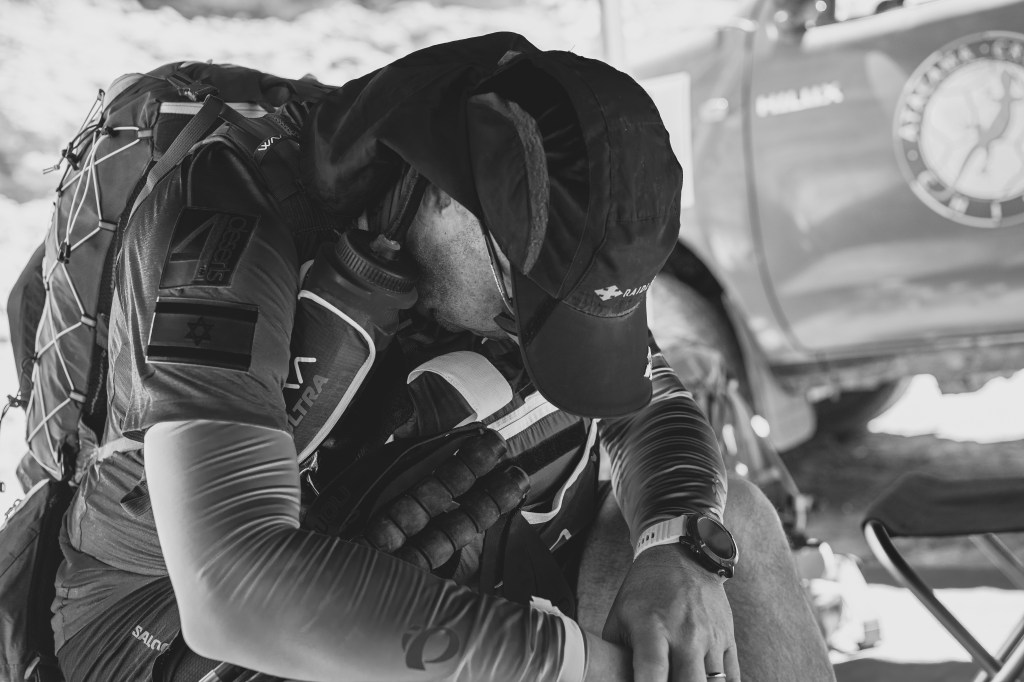
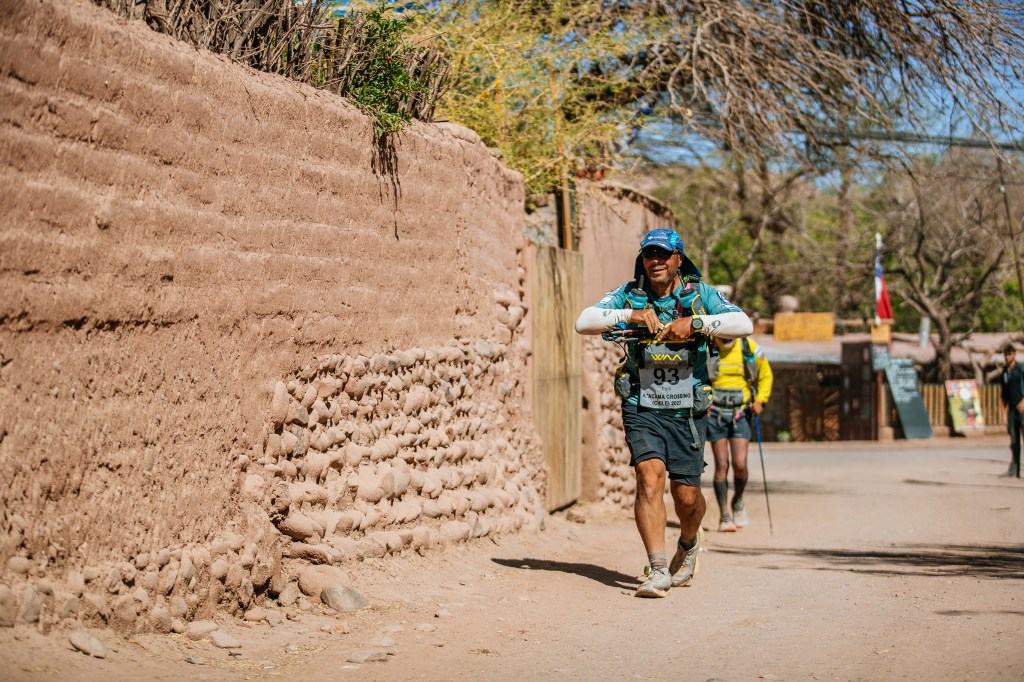
(Photo by Thiago Diz/4 RacingThePlanet/Gobi March 


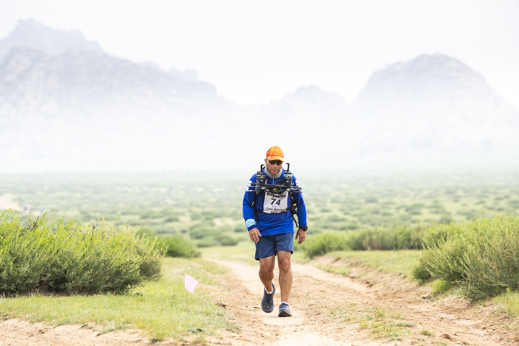
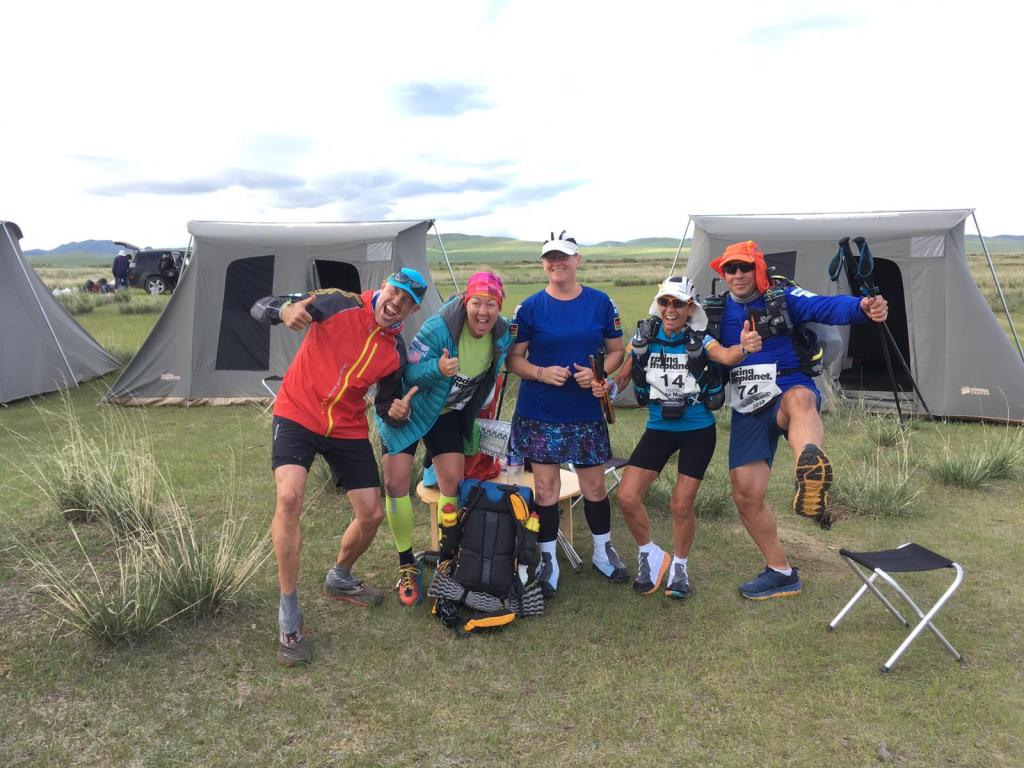
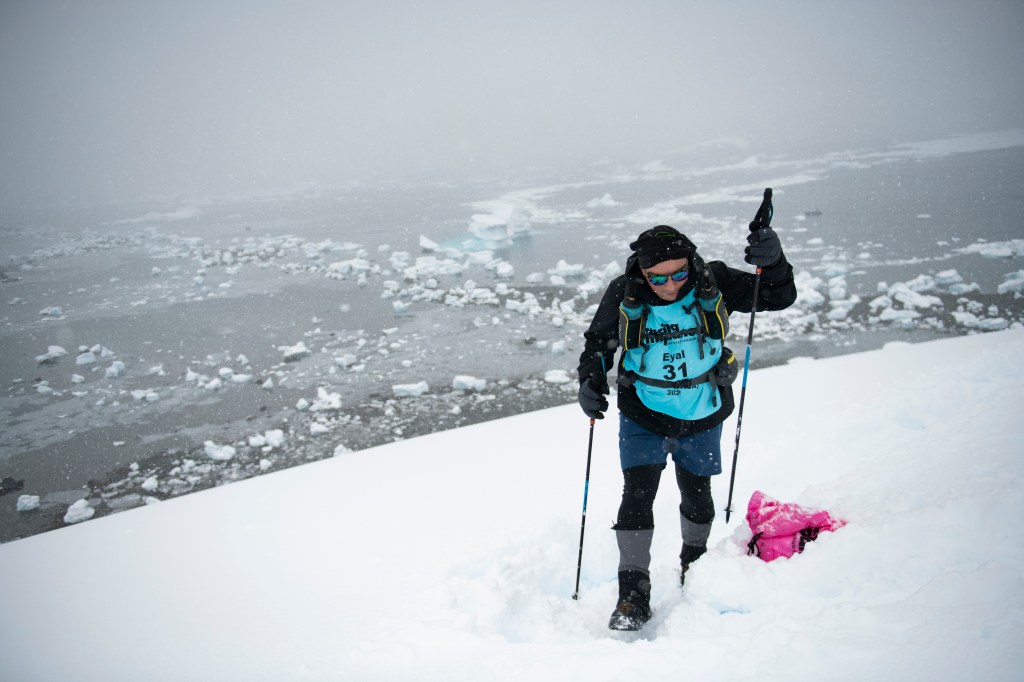
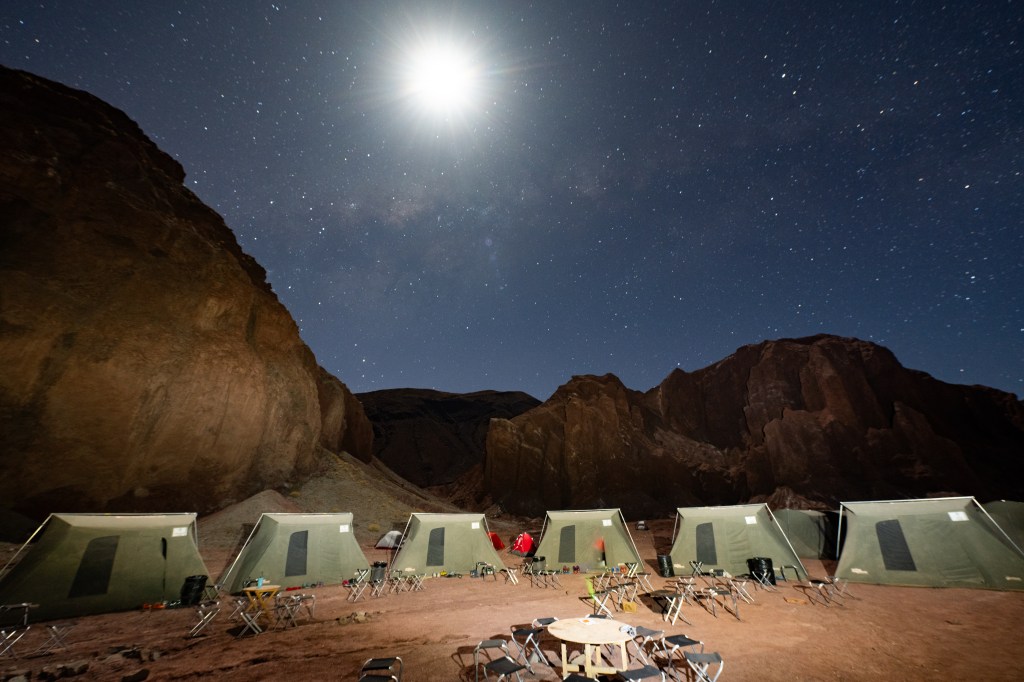
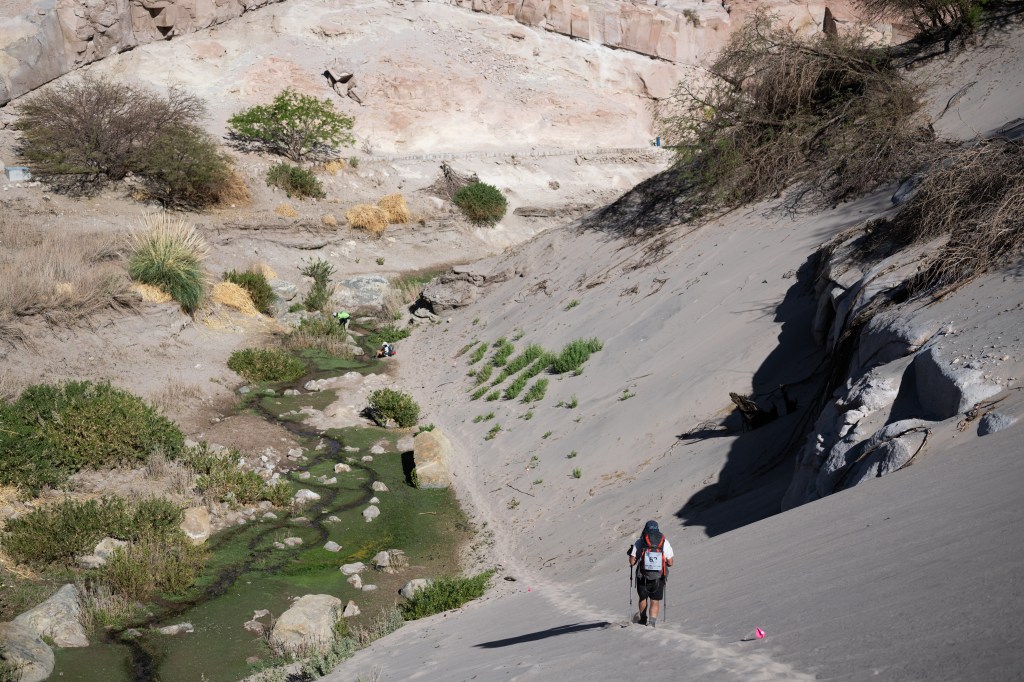
(Photo by Thiago Diz/4 RacingThePlanet/Gobi March 


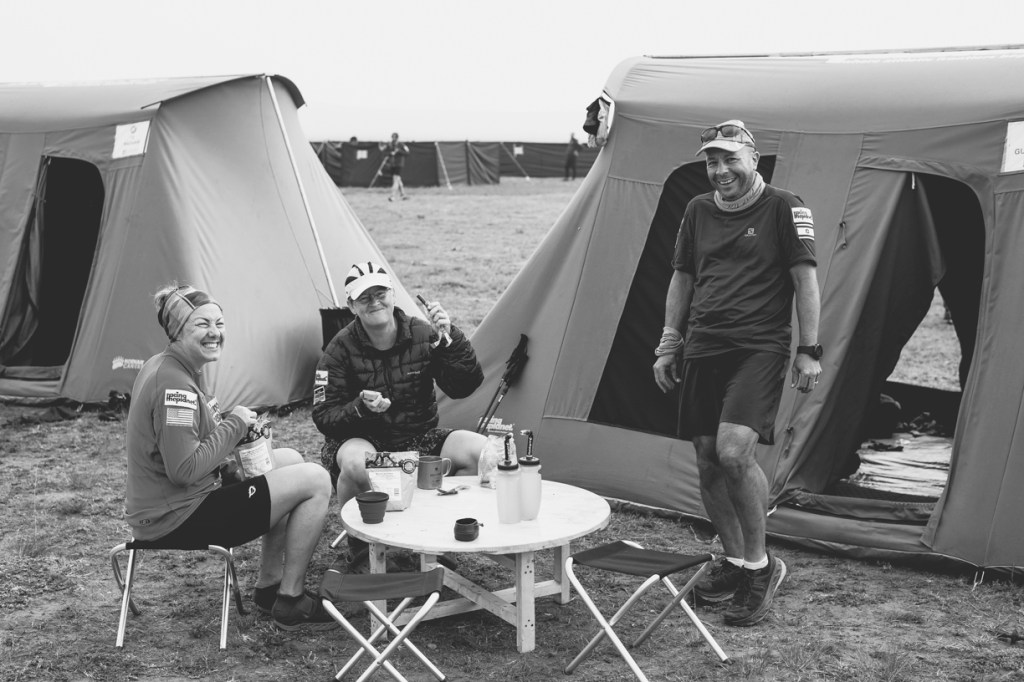
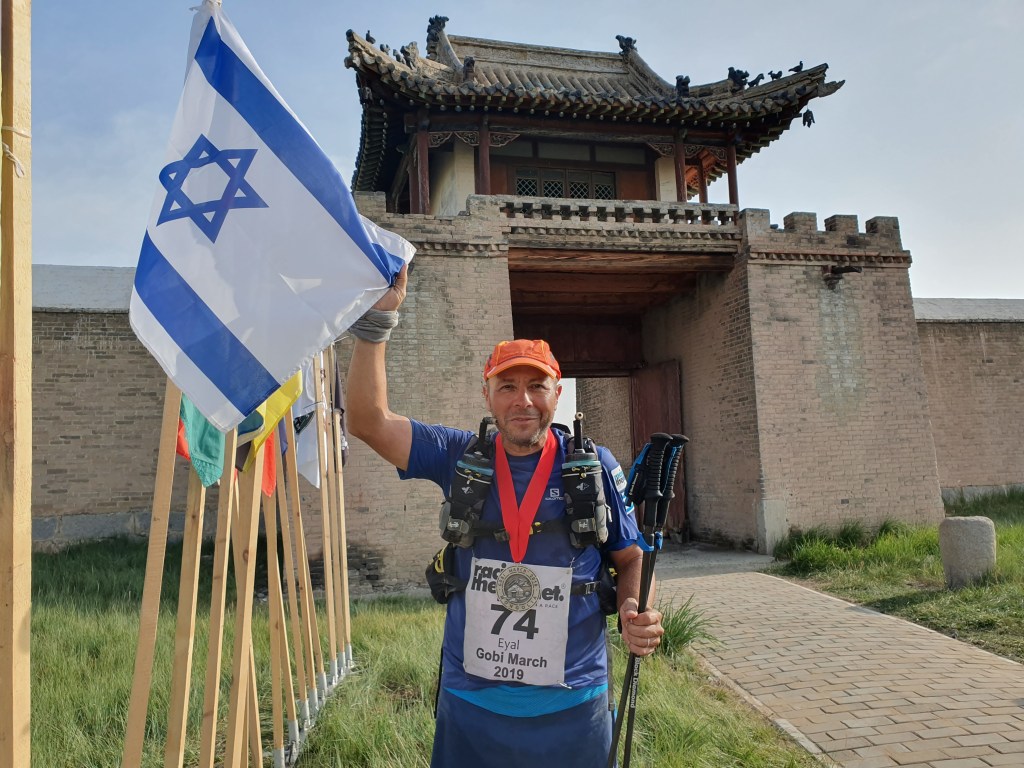
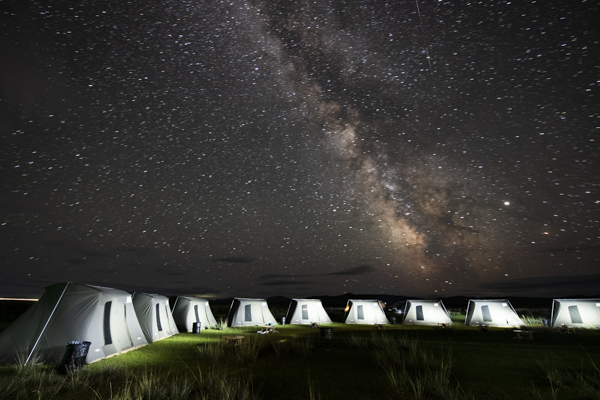
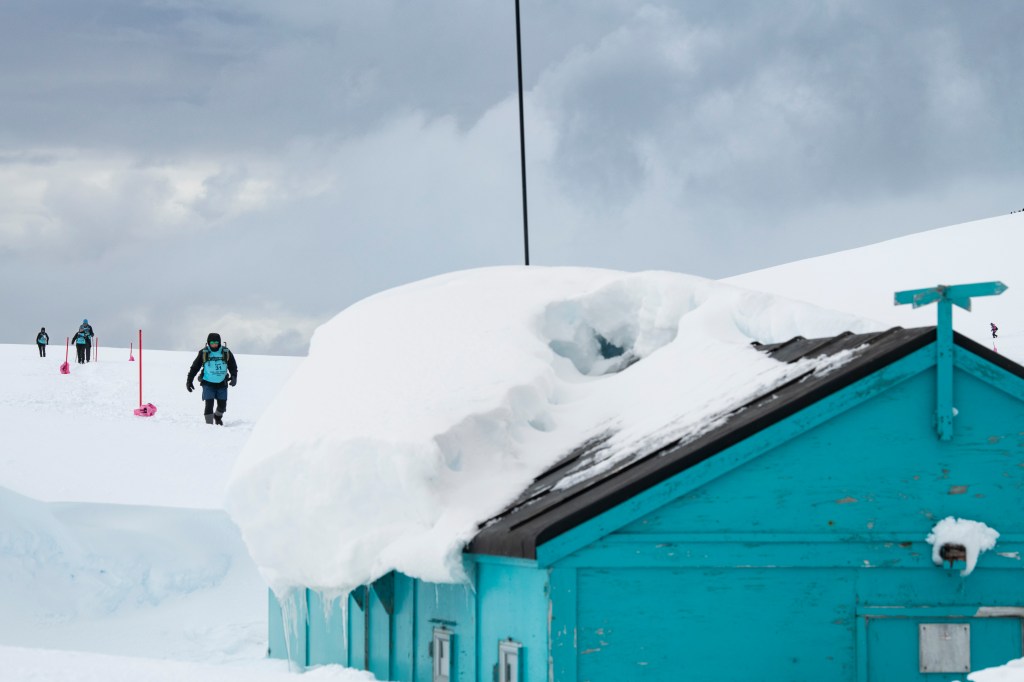
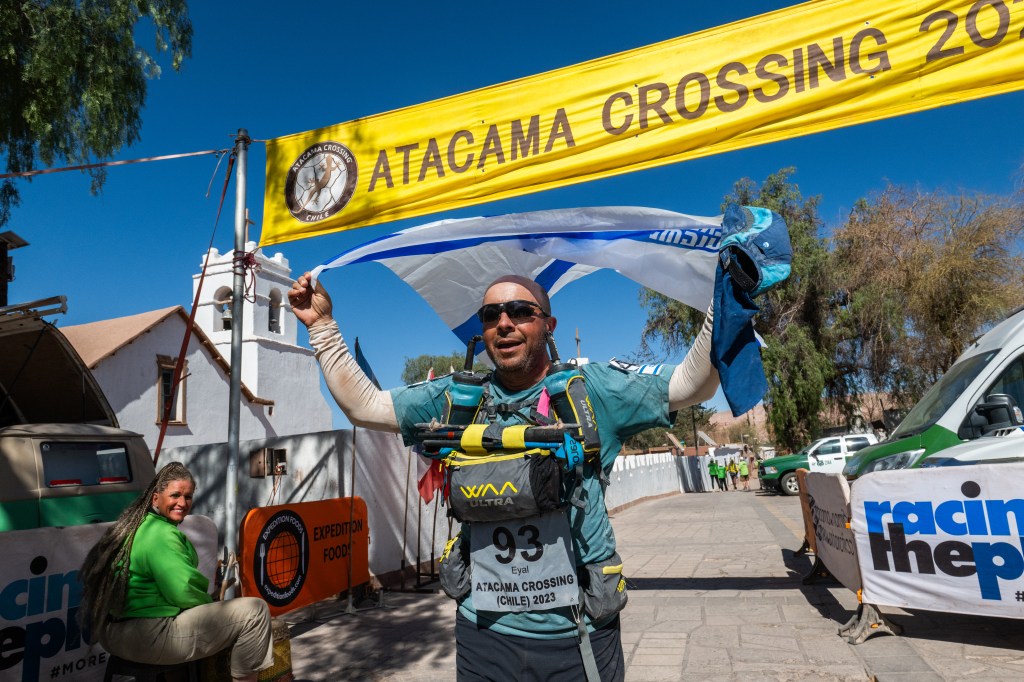
(Photo by Thiago Diz/4 RacingThePlanet/Gobi March 

(Photo by Thiago Diz/4 RacingThePlanet/Gobi March 


Eyal Shimoni
-
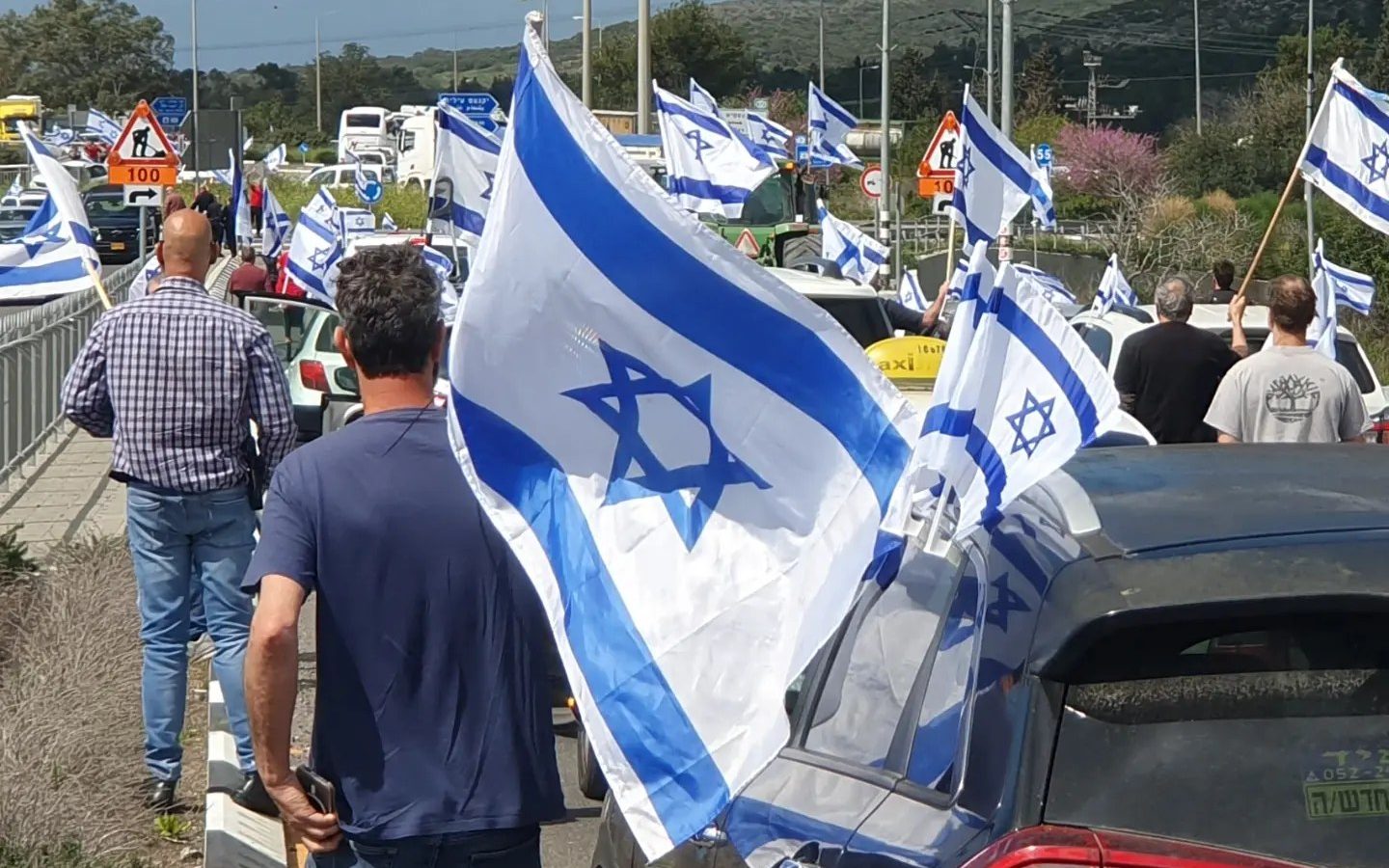
As many of you may know there if a fierce debate going on over the past several months in the Israeli society. The government, established a few months ago, has set on a judiciary change that many perceive as a step toward anon-liberal democracy at best, or even the beginning of a non-democratic regime. Some may already know that I am a strong oppose of what I call -“a judiciary coup”. So being part of the democracy defending campaign, I seek for strength and resilience from my endurance sports experience.
I got somewhat tired from the conventional comparisons, so decided to approach this differently. For this purpose I asked chat-GPT to write a short assay about “ultra-marathons and the struggle for democracy”. The result is nothing I could not think of, but it was a nice exercise.
So here it is, hope you’ll find it interesting:
Ultra-marathons and the struggle for democracy may not seem related at first glance, but there are some interesting connections between the two concepts. Ultra-marathons are long-distance running events that often require runners to push themselves beyond their limits, both physically and mentally. Similarly, the struggle for democracy requires individuals and communities to persevere and fight for their rights and freedoms, often in the face of significant challenges and obstacles.
One way in which ultra-marathons and the struggle for democracy are connected is through the concept of endurance. Endurance is a critical trait for both ultra-marathon runners and democracy advocates. In ultra-marathons, runners must endure physical exhaustion, pain, and discomfort to cross the finish line. Similarly, advocates for democracy must be willing to endure long-term struggles and setbacks in their efforts to promote democratic values and institutions.
Another connection between ultra-marathons and democracy is the idea of individual empowerment. Ultra-marathon runners often describe their experiences as empowering, as they push their bodies to accomplish incredible feats. Similarly, the struggle for democracy empowers individuals and communities to have a say in how they are governed, and to hold their leaders accountable for their actions.
Furthermore, both ultra-marathons and the struggle for democracy require resilience and adaptability. In ultra-marathons, runners must be able to adapt to changing conditions, such as weather or terrain, and to overcome setbacks such as injuries or fatigue. In the struggle for democracy, advocates must be able to adapt their strategies to changing political contexts, and to weather setbacks such as political repression or opposition.
Finally, both ultra-marathons and the struggle for democracy require a strong sense of community and collective action. Ultra-marathons are often events that bring together runners from around the world, who share a passion for pushing themselves to their limits. Similarly, the struggle for democracy requires individuals and communities to come together to demand change and to hold their leaders accountable.
In conclusion, while ultra-marathons and the struggle for democracy may seem unrelated, there are some interesting connections between the two. Both require endurance, individual empowerment, resilience and adaptability, and a sense of community and collective action. By exploring these connections, we can gain new insights into the challenges and rewards of both ultra-marathons and the struggle for democracy.

-
Did you notice the wonder that happens in races? People standing at the start line may come from such a diverse background in their daily life, in international events they may come from different culture, languages and habits. The magic starts along the start line, where one cannot tell who is who. The wonder is what happens during and after the race. The bonding, the giving and the caring for each other, the life long friendships and brotherhood being created. This part, is part of what attracts me to these events, and is one of the most rewarding experiences. All of this happens despite the competitive nature of these events, even at the highest level of the frontline runners.
In my work life, we also talk a lot about diversity and inclusion as essential for success. But often when it comes to strategic decisions, organizations like to produce a monochromatic table for their convenience. Who’s voice is louder at the table seems to be so important in organizational politics: marketing? technology? operations? finance? bizz dev? . The fact that it still happens is a bit imbarecing. Especially while the buzz is about combining cultures, genders, ages, as the key to success. You may hear many excuses “confidentiality”… “most experienced”… “not at the core”… All of this while articles and books have been written about the need to mix disciplines in the drawing of sand dunes.
The dynamism and rate of change in the world require long-term plans on the one hand, with the ability to quickly and flexibly adapt to the circumstances. It requires a different kind of leadership from organizations that want to flourish. A leadership that shares, integrates, in a composition that reflects the same values mentioned before. Leadership that is ready to take decisions, responsibility for actions and execution, and courage to face crises as well as manage long-term processes in short execution cycles. This leadership should give a place to human potential, that goes beyond the defensiveness of the known and experienced into the fog of the unknown. A new territory has never been discovered by those that did not move.
So back to running: this wonder is part of the why. I need a why in my life for the things I do, and this wonder is part of the fulfilling experience, doesn’t matter if in races, work, or even society. These days in Israel, these thoughts and feeling mix, as we strive for leadership that gives a place to human potential, and creates this wonder of bonding, giving and the caring for each other, and builds life long friendships and brotherhood.
Long live liberal democracy.

-
Over my running years I developed great passion for sustainability. I guess it has always been there… the love of nature in its purity and beauty, sometimes raw and brutal, but always gorgeous. It is my temple, my place of peace, and it must be preserved for future generations. Figuring this out changed also the way I look and review my professional side of life, and the happenings along my running endeavors drive me to think differently about technology and innovation.
Endurance competitions require long term planning and training, exploring and studying all aspects of human body, its spirit and soul, as well as the course with its terrain – climate – and route. Doing this over and over again is also about keeping all parts in good conditions. It is your mind, your work, family – and the obvious: your body. I am sure that I did not become an expert in all of these, but I would like to point out one of my recent thoughts and observations.
After each and every endurance race, my body had to recover. I had very typical pains and some injuries. I used to get some deep tissue message, acupuncture and some supplementation. Normally – I would get back to normal training load in a month or less. Back to normal process became a known procedure – almost a protocol. This protocol worked, but not this time…
Coming back from Antarctica, I felt by far less exhausted then in previous races. On top of this – I did not suffer from any of the “normal pain” that was part of post races recovery. I followed previous protocol, and since I was not exhausted – I got back to training sooner. But… when I was trying to sleep – pain went through my pelvis… Waking up I felt my lower back is all messed up to a point that I could not seat for too long – let alone driving far. So I stopped running…
Went to my therapist(s) -physio and alternative for treatments. It did help a bit, but each time I tried to train “easy” everything went backward. It got to the point that I realized I am trying to solve my pain and not my problem. I had to change something, do something different. So now I decided to get back to training in a moderate fashion, tackling the root cause. It means starting with short and easy runs, having my running watch to pace me slower than what my mind wants. A very different approach, focusing on solving the source of my pain. Slowly I can now see the fruits of this approach.
And this morning, opening my daily google alert brief, I noticed this startup. These smart guys developed a new technology that will enable land recovery from the chemicals sprayed on the crops. A really nice technology, with great potential. But then it hit me – they are trying to treat the pain (contaminated soil) rather then its origin – using chemicals. So the immediate question came to mind: are we investing in the right technologies and solutions?
While obviously, in the short term, decontaminating technologies are critical – does it solve the root cause?. I argue that for the long run we should prioritize technologies that enable system change and make spraying chemicals a “not needed” technology. It is true for most food and ag tech fields. It is about changing the way we do things for good rather then trying to fix damages of our ongoing wrong practices.

-
In a little while the ship will enter the Beagle Channel and make its way towards Ushuaia. I have no idea where to start and how to even describe the last twelve days. There will be an extensive post about this later.
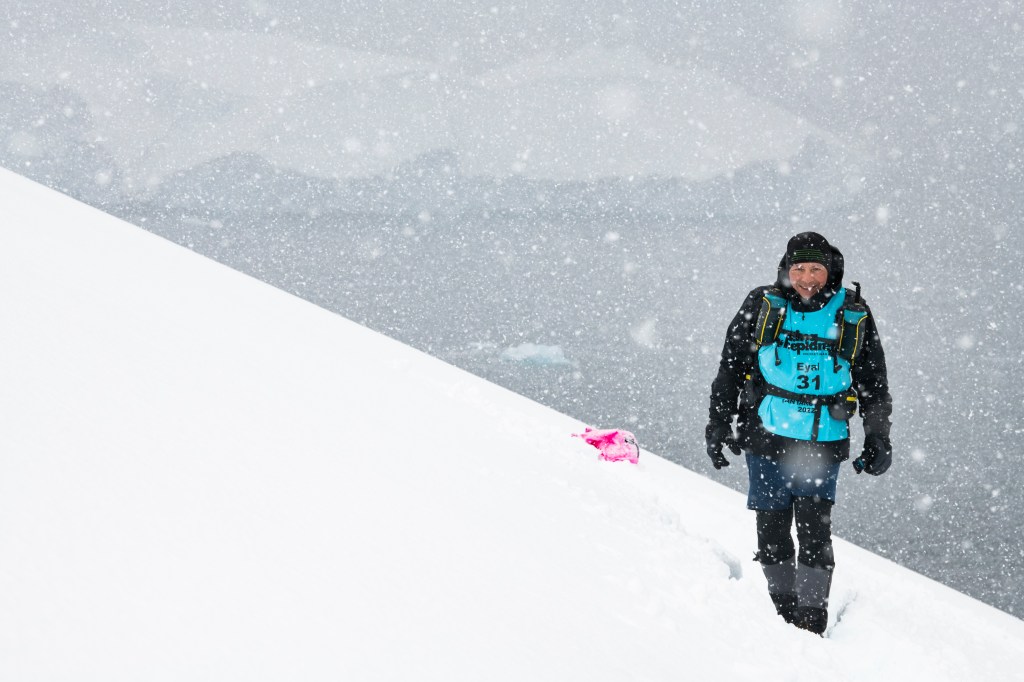
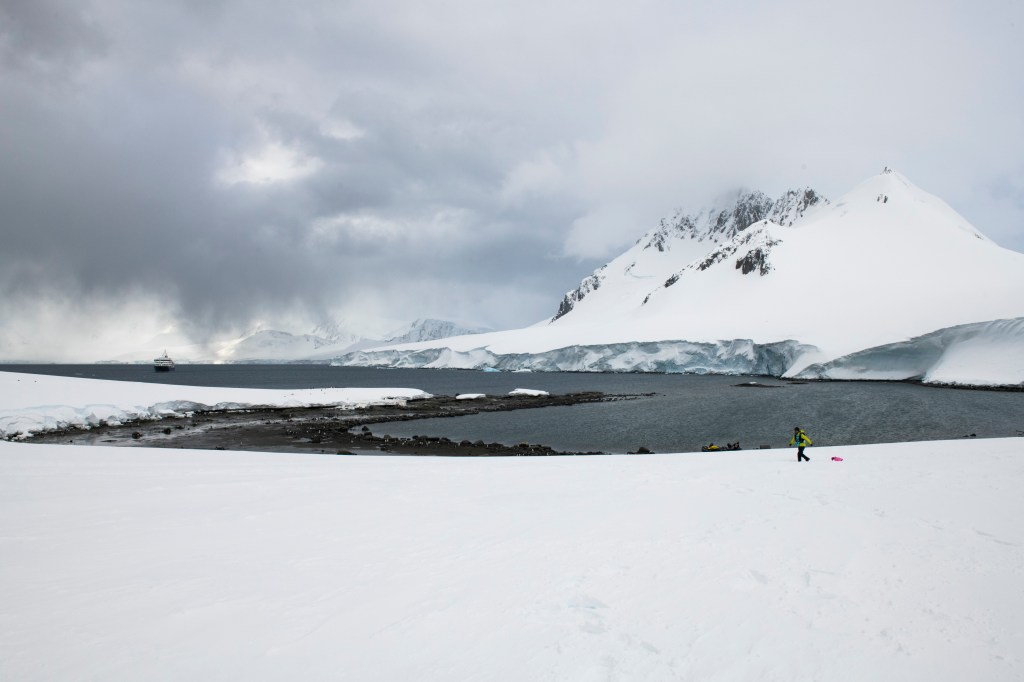
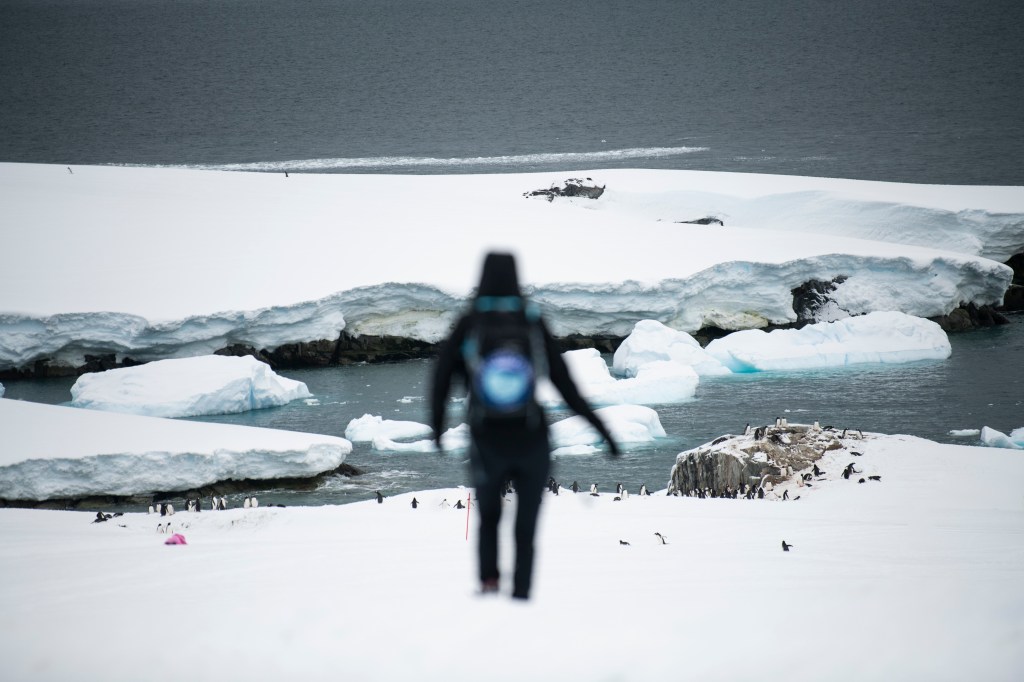
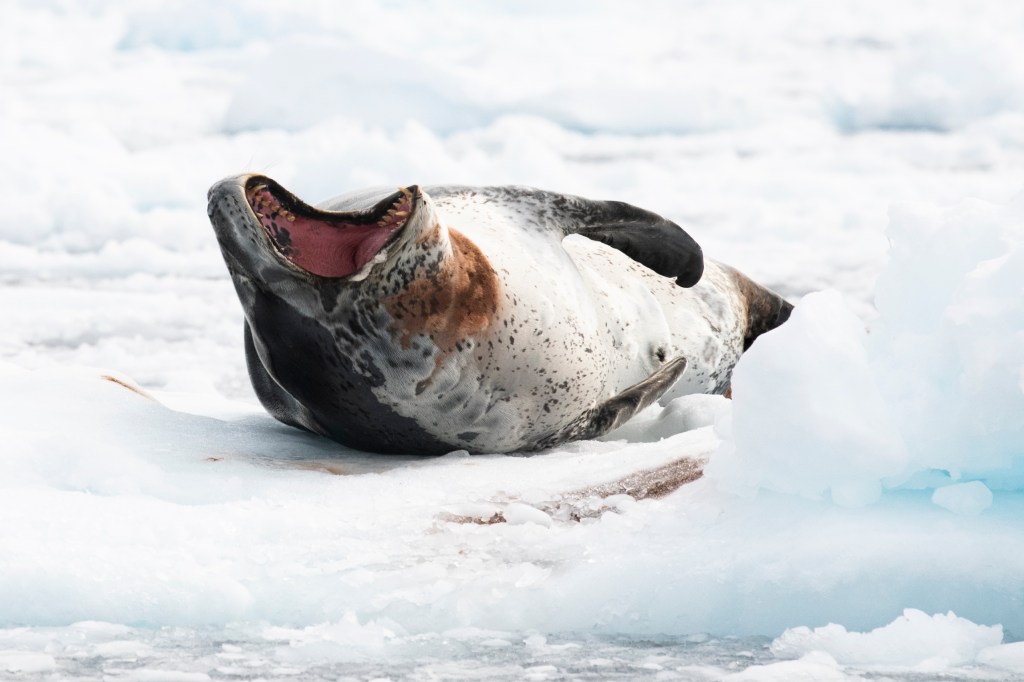
Antarctica and the Drake Passage, the beauty, the power, the life, the nature, the people who were by my side, competitors and team alike – it will take a long time to digest and internalize. The snow, the ice, the shaking gusts of wind, step after step, loop after loop. Penguins, albatrosses, seals, whales and orcas. Endless daylight and vast expanses of ice. Some of this in the video below – a detailed post will follow shortly!
None of this would have happened without my life partner, the decipherer of dreams, and especially the one who breathes deeply and flows with my dreams, accompanies and strengthens me with a new and sharp collection of poems every time, the love of my life, Lilach Armony-Shimoni; the children and their loved ones.
A huge thank you to everyone who supported, was interested, and encouraged.
Thanks to everyone who gave good advice on nutrition and recovery, equipment, and much more.
And of course to Pano Kotter who in his special way brought me ready to the starting line.
To the racing life on the way!On my shoulders at every starting line and finish line of a cross-country race with me the eight-year-old boy that I was.
So until the next race, take another moment and open your heart and hand to accompany more children:
Donations to a friend for education: https://www.jgive.com/new/he/ils/donation-targets/7564
Donations to Partes Israel: Tali Ben-Dror 050-2340003 -
I believe this is a question that runs in any competitor’s mind as they approach a target event. In my case it is The Last Desert Antarctica race by Racing The Planet. In a few days I will board the ship to sale across Drake Passage towards this multistage race. It would be my 3rd race in the “4 Deserts” series, so on the face of it I should know by now how “ready” I am.
Physically? Although my training period took place during an extremely stressful time of my life (see previous posts), I feel well prepared. In fact, this is the first time I realize that the saying “the feet remember” works. This brain-muscle memory works, and my longest weekend hours are the most enjoyable.
Psychologically I know I am. The miles in my legs and in my brain have taught me so much. Most importantly I learned flexibility, adjustment, resilience and determination. I learned how to stay calm and recalculate when and if needed, and that whenever I feel the “this is it”, and I have nothing left – there is so much more if you dig deeper. Going through so many running psychology books in the months since the Namibrace, there is also anticipation to the change that this race will bring.
The next question is probably: Ready to what? Am I ready to win? be at my best? enjoy? cope with the challenge? stand on the start line? make my dream come true???… well… podium is an obvious “no” as I never aimed there. It has never been a goal for me – firstly because I am not a good athlete and does not have the basic ability to be there, but also simply because this was not my purpose as I started this journey. As for the other purposes -YES!!!. The more I read about psychology of running and psychological endurance I understand that these other goals are my true victory. One may think it is to prove my mental toughness, but really it is the journey inside that fascinates me.
This specific journey reminds me a very specific image from my early childhood.
On a tree behind our building, we, the kids, put plates of wood to build some kind of an improvised tree house. I remember placing carton cylinders at the side of it imagining they are cannons of a ship. From the top of the tree I was looking foreword across “the ocean” for Spanish fleet ships. Inspired by the stories about sir Francis Drake I could almost feel the sea water spray. And here I am, now, about to cross the Drake passage!
And as for the question – “am I ready” – hell yea! I am.

-
After my previous post “Crisis management, between real life and running”, a friend asked me if can find a difference in my mental and physical state when I compare between endurance sport events and crisis management at work. The answer was obvious to me, but I choose to look at the data and examine this aspect – as suggested in the previous post. So I used the data collected by my Garmin ENDURO watch, and the reports from my Garmin Connect app. This post looks at the analysis shown in the figure below along the year between October 2021 and October 2022.
The data I found most interesting was the stress level. It clearly shows increased levels of stress during crisis as well as competition. Having said that, while a 6 day race and short crisis show mild increase in average stress levels to ~35, a long and extended crisis management period turned out in a massive build up of average stress levels tp ~55.
From here I started looking into my sleep. For this I used both sleep duration as well as its quality grades given by the Garmin app. All and all, there are insignificant changes in my sleeping hours (roughly 6-7.5 Hrs), although some decline can be seen in the first crisis – probably due to multiple flights. This is however not the case for the 2nd and extended crisis period. The interesting part is sleep quality. Here one can see a clear decline during both the race and the crises. In the race it declined to a score of ~50 compared to over 70 in normal times, while in crises it dropped well below 40. Having said that, keep in mind there was a difference in circumstances. During the race I was sleeping in a tent in a sleeping bag, no shower, no change of clothes for 6 days; In the 1st crisis I spent many nights flying between two continents sleeping many time on the plane and in hotels; and in the 2nd and extended crisis I slept at home in my bed. My main observations are that despite the worst sleeping conditions in the race, it showed the least decline in sleep quality. During the crisis management at work, clearly the decline was similar, and its extent was correlated to the crisis length.
One obvious thought would be that my stress levels may be related to my level of activity – training or racing. Here I used the “intensity minutes” tracking to look into this question. For the race, it is obvious that there was an intensity peak. As for the crisis management the picture is different… Due to many flights and travels during the first crisis I did not train much and there was very low level of high intensity minutes, while in the second crisis my training level was going up. To my opinion it clearly indicates that in this case the sleep quality drop and stress levels are not related to the training regime.
Now for some insights and thoughts. It is not surprising that both in endurance run and crisis management the stress goes up. It should be noted that while during the race it is well correlated with peak of physical load, this is completely not the case for crisis management. Here, both crisis show similar impact of stress sleep quality, however, the longer the crisis is the higher is the increase in stress. Which one do I prefer? Clearly the race.


(Photo by Thiago Diz/4 RacingThePlanet/Gobi March -
(*Hebrew below)
Between 2020 to 2022, I was involved in several crises. In all of them I played a significant role, leading the crisis management & coordination, leading disaster recovery process, and supporting crisis management and recovery effort. As I was writing my learnings from these events, it occurred to me that there are many similarities between managing crisis and managing yourself in an ultra-endurance sport event.
Before / preparing
I guess one of the first things one should realize when getting into the endurance sport scene, is that you are not just an athlete (amateur in my case), you are actually a manager of an event. It is not only about the training, it is about the logistics, the gear, the medical care during the preparation period. It is also about the mental and psychological readiness. In all, one should not compromise on mediocrity. Excellence will serve you in times of crisis during the execution of your project – the competition itself. Very similar the crisis management or disaster recovery where you must have the best professionals to support you as well as the best plan and process to handle the project. Needless to say the required infrastructure, whether physical or processes should be in place.
Manage your stakeholders… wow.. how many mistakes i made here… In races I think I did it right. Work, family, friends, all – by my instinct not by planning – were aligned with what it takes, my expectations, and the desired/expected outcomes. In real life crisis it is a bit tougher… unlike an ultra-endurance event, crisis is not planned ahead of time nor expected. Therefore, managing your stakeholders is done under the pressure of the ongoing crisis. Here, as in an endurance event, try to align them with your realistic goals. Do not set unrealistic expectations. These will also provide you and your supporting team an undisturbed environment that will enable all of you to focus on the task. Sound doable – but honestly: not easy.
Support team
As in real life, you would expect headquarter supporting bodies must also know the field. This means that the people you choose to help you during the preparation phase will have the sense of what it means to be out there, what it takes to execute, how you feel physically and mentally. They should be integral part of the team, not just performing their obligations. It is very relevant for businesses, and also goes for your coach, physiotherapist, mental trainer, the gear and nutrition provider etc.
Know your people, knw your supporting team in preparation and your supporting crew during execution. If you have chosen the best, then trust them. If you do not trust them – they might not be fit for the job. Crisis time require complete trust. No trust, and everything becomes much harder and might collapse completely. Once you have the right people – provide them the tools and the right conditions to work. No manager should expect his team to excel if they do not have the right resources, tools, and support.
During
In order to succeed – to create a clear and orderly path. This will help you to frame any event within the path you figured out before, especially in time of stress and distress that are very frequent as the event rolls. Having said that – this is easy said then done… A crisis or disaster recovery processes are the land of the unknown and unexpected. It is impossible to move forward if you want to have absolute zero risks.
Therefore, during the event you have to make real time decisions and not just go with the flow. This is the essence of being a manager: decision making (not avoidance) and accepting responsibility for actions and deeds (not for people). It is you who takes the decisions when you are out there on your own, and it is literally you that carries the consequences of your decisions.You have to show managerial courage and make decisions even under conditions of uncertainty. One should adopt the mindset of “how” instead of “if”, and if you can take your team to this point the project will benefit greatly. As you take your decisions, rely on data for making these decisions. Avoid “I believe that…” or “I feel right…”. Data does not lie. And yes, sometimes gut feeling does work.
When it come to real tough decisions, try to bring all relevant functions to the table. Get advice from fellows, as diverse as possible. You cannot imagine how valuable this approach is. Although ultimately it is you taking the final call, diversity is not a PR word – it really helps.
As in driving, also in races and more so in a crisis: one should enter the turn slowly, learn the curve and adjust the steering wheel patiently, and then speed up or slow down according to the unexpected road conditions… the quality of the infrastructure, heat or cold, rain, sun, snow. Other factors should not be ignored, and actually need to be managed: the other drivers/runners and your passengers – your stakeholders. All of them can affect the crisis management process and the quality of the outcomes. Failing to manage them may have a negative impact on both.
After
Let your team celebrate the victory. It is theirs as much as it is yours, you should be proud at the achievement, not where the credit goes.

A man managing yet another crisis…. ניהול משברים, בין החיים האמיתיים לריצה
בין 2020 ל-2022 הייתי מעורב בכמה משברים. בכולם שיחקתי תפקיד משמעותי, הובלת ניהול ותיאום משברים, הובלת תהליך התאוששות מאסון ותמכתי בניהול משברים והתאוששות. כשכתבתי את הלמידה שלי מאירועים אלה, עלה בדעתי שיש קווי דמיון רבים בין ניהול משבר לניהול בין 2020 ל-2022, הייתי מעורב בכמה משברים. בכולם שיחקתי תפקיד משמעותי, הובלת ניהול ותיאום משברים, הובלת תהליך התאוששות מאסון ותמכתי בניהול משברים והתאוששות. כשכתבתי את הלמידה שלי מאירועים אלה, עלה בדעתי שיש קווי דמיון רבים בין ניהול משבר לבין ניהול עצמך באירוע ספורט אולטרה סיבולת.
אני מניח שאחד הדברים הראשונים שצריך להבין כשנכנסים לסצנת ספורט הסיבולת, הוא שאתה לא רק ספורטאי (חובב במקרה שלי), אתה בעצם מנהל אירוע. זה לא רק על ההכשרה, זה על הלוגיסטיקה, הציוד, הטיפול הרפואי בתקופת ההכנה. זה גם על מוכנות נפשית ופסיכולוגית. בסך הכל, אסור להתפשר על בינוניות. המצוינות תשרת אותך בעתות משבר במהלך ביצוע הפרויקט שלך – התחרות עצמה. דומה מאוד לניהול משברים או התאוששות מאסון שבהם אתה חייב לקבל את אנשי המקצוע הטובים ביותר שיתמכו בך, כמו גם את התוכנית והתהליך הטובים ביותר לטיפול בפרויקט. מיותר לומר את התשתית הנדרשת, בין אם פיזית או תהליכים צריכה להיות במקום.
נהל את בעלי העניין שלך… וואו.. כמה טעויות עשיתי כאן… במירוצים אני חושב שעשיתי את זה נכון. העבודה, המשפחה, החברים, כולם – לפי האינסטינקט שלי ולא לפי תכנון – היו מתאומים למה שצריך, לציפיות שלי ולתוצאות הרצויות/הצפויות. במשבר בחיים האמיתיים זה קצת יותר קשה… בניגוד לאירוע אולטרה סיבולת, משבר לא מתוכנן מראש ולא צפוי. לכן, ניהול מחזיקי העניין שלך נעשה בלחץ המשבר המתמשך. כאן, כמו באירוע סיבולת, נסה ליישר אותם עם המטרות הריאליות שלך. אל תציב ציפיות לא מציאותיות. אלה גם יספקו לך ולצוות התומך שלך סביבה ללא הפרעה שתאפשר לכולכם להתמקד במשימה. נשמע בר ביצוע – אבל בכנות: לא קל..
כמו בחיים האמיתיים, הייתם מצפים שגם גופים תומכים במטה חייבים להכיר את השטח. זה אומר שלאנשים שתבחר לעזור לך בשלב ההכנה תהיה תחושה של מה זה אומר להיות שם בחוץ, מה נדרש כדי לבצע, איך אתה מרגיש פיזית ונפשית. הם צריכים להיות חלק בלתי נפרד מהצוות, לא רק לבצע את המחויבויות שלהם. זה רלוונטי מאוד לעסקים, ומתאים גם למאמן שלך, לפיזיותרפיסט, למאמן המנטלי, לספק הציוד והתזונה וכו’.
הכר את האנשים שלך, הכר את הצוות התומך שלך בהכנה ואת הצוות התומך שלך במהלך הביצוע. אם בחרת את הטוב ביותר, אז סמוך עליהם. אם אתה לא סומך עליהם – ייתכן שהם לא מתאימים לתפקיד. זמן משבר דורש אמון מוחלט. אין אמון, והכל נהיה הרבה יותר קשה ועלול להתמוטט לחלוטין. ברגע שיש לך את האנשים הנכונים – ספק להם את הכלים ואת התנאים הנכונים לעבודה. אף מנהל לא צריך לצפות מהצוות שלו להצטיין אם אין להם את המשאבים, הכלים והתמיכה הנכונים.
כדי להצליח – חובה ליצור דרך ברורה ומסודרת. זה יעזור לכם למסגר כל אירוע במסלול שהכנתם קודם לכן, במיוחד בזמנים של לחץ ומצוקה שהם שכיחים מאוד בזמן שהאירוע מתגלגל. אחרי שאמרנו את זה – קל יותר להגיד את זה מאשר לעשות… משבר או תהליכי התאוששות מאסון הם ארץ הלא נודע והבלתי צפוי. אי אפשר להתקדם אם אתה רוצה להיות באפס סיכונים מוחלט.
לכן, במהלך האירוע צריך לקבל החלטות בזמן אמת ולא רק ללכת עם הזרם. זו המהות של להיות מנהל: קבלת החלטות (לא הימנעות) וקבלת אחריות על מעשים (לא לאנשים). זה אתה שמקבל את ההחלטות כשאתה בחוץ לבדך, ואתה הוא זה שנושא בהשלכות של ההחלטות שלך.
אתה צריך לגלות אומץ ניהולי ולקבל החלטות גם בתנאים של חוסר ודאות. צריך לאמץ את הלך הרוח של “איך” במקום “אם”, ואם אתה יכול לקחת את הצוות שלך לנקודה הזו הפרויקט ירוויח מאוד. בזמן שאתה מקבל את ההחלטות שלך, הסתמך על נתונים לקבלת החלטות אלה. הימנע מ”אני מאמין ש…” או “אני מרגיש נכון…”. נתונים לא משקרים. וכן, לפעמים תחושות הבטן כן עובדות.
כשמדובר בהחלטות קשות, נסו להביא את כל הפונקציות הרלוונטיות לשולחן העבודה. קבלו עצות מעמיתים, מגוונות ככל האפשר. אתה לא יכול לתאר לעצמך עד כמה הגישה הזו חשובה. למרות שבסופו של דבר זה אתה שמקבל את ההחלטה האחרונה, גיוון הוא לא מילת יחסי ציבור – זה באמת עוזר.
כמו בנהיגה, גם במירוצים ויותר מכך במשבר: צריך להיכנס לפנייה לאט, ללמוד את העקומה ולכוון את ההגה בסבלנות, ואז להאיץ או להאט בהתאם לתנאי הדרך הבלתי צפויים… איכות התשתית , חום או קור, גשם, שמש, שלג. אין להתעלם מגורמים אחרים, ולמעשה צריך לנהל אותם: הנהגים/הרצים האחרים והנוסעים שלכם – בעלי העניין שלכם. כולם יכולים להשפיע על תהליך ניהול המשברים ועל איכות התוצאות. כישלון בניהולם עלול להשפיע לרעה על שניהם.
ובסיום – תן לצוות שלך לחגוג את הניצחון. זה שלהם כמו שזה שלך, אתה צריך להיות גאה בהישג, לא לאן הקרדיט הולך.
-
This great research paper of Marcel Nemec “Catharsis – philosophical and spiritual aspects of long-distance running” really caught my attention (Acta Facultatis Educationis Physicae Universitatis Comenianae, 42-52; Vol. 56 No 1 2016). The findings showed that catharsis represents a relevant philosophical and spiritual aspect that influences long distance running. The authors assume that an authentic experience of catharsis and its effects motivates runners to perform regular physical activity. The analysis of the philosophical and spiritual aspects of distance running revealed a multispectral holistic relevance based on the transfer affecting a specific way of life, a spectrum of values, ethical personality traits, and also the quality of long distance runners’ lives. The aim of the study was to identify and analyze the occurrence of cathartic states in a sample of long-distance runners. Data collected through questionnaires were used to quantitatively assess variables in the context of philosophical and spiritual aspects of long distance running.
According to them, long distance running events fall into the category of track and field and are determined primarily by endurance. Long distance running puts a lot of emphasis on voluntary effort in both training and competition and requires a balanced type of personality. The runner is endowed with high levels of perseverance, patience and tolerance for monotonous physical activity. In terms of training requirements, education towards self-reflection is an integral part of a runner’s long-term training preparation. To perform physical activity in nature, where these runners appear, there is considerable volume in their training. Nature enables inner purification – catharsis, renewal of the essential and natural connection with oneself, with other people and with the world.
Catharsis (purification) refers to a concept that comes from ancient Greek aesthetics, which characterizes the aesthetic effects of art on man. Catharsis probably includes both physiological moments (relief of emotional tension) and ethical moments (cultivation of human emotions) that are synthesized in an aesthetic experience. Catharsis in sports is related to emotional states of depletion following sports performance, for example when an athlete feels satisfied after performing a sustained sporting activity.
Catharsis is also known as purification, which represents complete awareness of oneself and thus what “his life really represents”. The spirituality of sports allows us to study the general sense of spirituality that is applied and embodied in the practice of sports and also how specific religious movements in their interpretation of spirituality are related to sports. They add that the meaning of spirituality deviates significantly from the original Christian discipline to seek spirituality that is not influenced by religion. Spirituality can become not only a symbol of religious beliefs, but also a way of searching for the feeling of life, perceiving the depth of life through ethical and aesthetic exposure to the dimensions of the world, longing for harmony and a transcendental experience. Nemec’ and his colleagues assume that the structure of people’s motivation to run, and also to participate in mass running events, includes a spiritual dimension of running that is perceived by the personality of the runner.
In the specific study conducted by Nemec’, the sample included 74 runners, 48 men and 26 women. The average age of the runners who were active participants in running events in 2014 was 26 years. A relatively young age for the amateur ultra runners I know. The runners filled out a questionnaire in order to collect data on cathartic situations they experienced.
Over ninety percent of the runners testified to a feeling of “purification” during the run. This feeling is attributed to the feeling of well-being that comes from neutralizing negative feelings during the aerobic running phase. This is indeed an authentic experience for the runners. A similar percentage reported “inner peace” during the run. This feeling is also attributed to the neutralization of negative emotions. The authors claim that this sense of continuous inner harmony is one of the goals of the runners’ ongoing spiritual activity.
The researchers tested the peak sense of harmony by asking the runners if they experienced a deep connection with the external environment while running. Here the percentage of positive respondents decreased to seventy percent, and the claim is that the decrease is due to the fact that it is more difficult to neutralize external influences from the whole experience. But what did the runners think of themselves at the end of the run? Were they satisfied with themselves? Here about seventy percent answered positively. The researchers claim that the reason for this is that running such distances is not seen as a necessary sacrifice for the purpose of training for “health” or “weight loss”. In their opinion, the reason is that these runners experience running as a complex activity that affects all dimensions of their lives, the essence of their existence.
Particularly interesting are the runners’ references to the role of running in their lives beyond the physical activity. A third of the runners reported that in addition to being physically active, running for them is a form of internal purification. In the case of these runners it strengthens perception and understanding of philosophical and spiritual aspects of long distance running. Fifteen percent of the runners reported that in addition to being physical, active running represented a form of self-fulfillment for them. In this context, it is assumed that the term “self-fulfillment” is understood from the perspective of striving for performance as an achievement of a sporting level (breaking a personal record, achieving a certain time limit), or obtaining an expected position in a competition, or as participating in a major sporting event (participating in a popular marathon race). This group of runners may be considered a hidden group of runners, who may approach philosophical and spiritual aspects of running through their authentic experience.
When asked…
Many of the runners reported two most powerful experiences while running – self-satisfaction and self-conquest. Cathartic aspect in the context of long distance running and the experience of self-satisfaction may be expressed metaphorically as “fulfillment of a goal” through successful participation in a race.
A demanding training load. Hertz’s experience of self-conquering probably occurs out of overcoming critical situations caused by fatigue and exhaustion. Successful handling of such critical situations is perceived by the runners as a satisfaction related to overcoming the decisive factor of the situation. Critical situations accompanied by physical and mental exhaustion expose the runners to an authentic confrontation with the perception of hidden dimensions of life and allow the runners to deal with the field of philosophical knowledge, or with a spiritual field of experiences. Ten percent of the runners reported states of self-awareness, euphoria and joy as the strongest experiences. These statements by runners indicate philosophical and spiritual aspects of long-distance running, which are to some extent influenced by cathartic processes.
The researchers conclude that the research findings showed that catharsis represents a spiritual and philosophical aspect that affects long-distance running. They assume that an authentic experience of catharsis and its effects motivate runners to perform regular physical activity. This analysis of philosophical and spiritual aspects of long-distance running revealed a holistic relevance based on transference affecting a specific way of life, a spectrum of values, ethical personality traits, and also the quality of life of long-distance runners.

-
When people try to crack psychological questions, I guess many are familiar with the question “What would Freud say about this?”. But psychoanalysis as I know it (and I am of course not a n expert) devotes itself to scientific “truths,” and tends to negate spirituality or experiences. I guess because of my character, and also because of my professional past in research and academia; I move uncomfortably in my chair whenever professionals hold “unquestionable” insights. After all, it is clear to us that we are not always right, and that the truth does not belong to individuals of virtue. This can happen in the exact sciences and in natural sciences, but it is doubly true in the humanities. This assumption also does not miss psychology – the study of the mind and behavior, as these are determined in relation to society as a whole. Therefore, Jung with his groundbreaking thinking, thanks to which he was actually boycotted by Freud and to this day is treated as an esoteric footnote in many faculties of psychology. Jung caught my attention.
As I wrote before, one of the most powerful experiences in the “4 Deserts” race in Namibia in late 2021 was the “here and now” feelings and a very clear sense of the deep psychological process I am going through during the race. Maybe it’s the stage in life, the fact that it was the first race after a damn period of COVID, and maybe the intensities of the race with the difficulty, the heat, the route, and the demanding terrain. These made me think of another side to endurance events. True, the dimensions of physical, mental and technical preparation for a race are well known and reviewed. The conduct during the race in everything related to mental and mental coping also wins books, articles and even workshops. Even therapeutic dimensions of running as a method of psychological treatment are documented in the literature and used. What I did not notice is documentation, analysis, or an attempt to interpret deep mental processes of people who is dealing with extreme endurance events. For me it is he deep psychological process tat happens underneath and is realized only after the race.
Jung tended to incorporate the mystical approach of human psychic analysis as opposed to Freud’s analytical approach. In his Red Book he tried to test his theories in self-analysis. He tried to understand the internal navigation system. Emotions, thoughts, behavior – the connection between the conscious and the subconscious – is the way to become a perfect person. He argued that man’s purpose is to understand the expression of the subconscious that floats to the surface, and that the purpose of his existence is to illuminate the darkness of just being “the sole purpose of human existence is to kindle a light in the darkness of mere being.” For him there is a continuous connection between the conscious and the subconscious, and a huge part of what we get comes from our parts that we do not know. Therefore, the process of individuation, in which a person understands his actions in the process of understanding consciousness – is critical to the person.
Its basic division is into the conscious, the individual subconscious, and the collective subconscious. Awareness is how one identifies oneself, in which the ego is also the story you tell yourself about yourself, and sits in the persona that is your expression towards the environment. This phrase is different from who you really are. The ego filters different dimensions – and these dimensions are a big part of the subconscious. I think the experience of endurance, as deep as it is, peels off the layers of our ego in itself. Until we stand naked in front of our own eyes. I know many moments where I tell myself an alternate story in my head to make it easier to deal with the race – and immediately afterwards reprimand myself for the lie I make in my mind.
The subconscious, according to Jung, is both personal and collective. The personal, corresponds continuously with the conscious. However, according to Jung there is also a collective subconscious, which largely sums up the historical experiences of humanity as a biological evolution. Man has evolved this consciousness over the generations, but this evolution has not been completed because there are many more hidden layers in our subconscious. According to Jung each person inherits these patterns, and he bases this on recurring motifs he has found among many of his patients. Even crosses cultures that have not been exposed to each other.
These dimensions work in parallel to create the self, what you really want, crave, what you really are. According to him, getting there is what creates a full life. This is also the goal of the individual: to try to get there, to accept yourself out of personal sincerity at the highest level. Recognize that we are not always what we think or what we want. When the shadow is not gone by not looking at it there is no movement that separates the individual from his own shadow. The shadow is part of your nature and only at night there are no shadows. That is why you need to know it and to take care of it. This of course is not a simple process, and probably not really possible.
Jung saw the man of our time blind to the fact that with all his rationality and efficiency, he has “powers” beyond his control. His gods and demons did not disappear at all; They only have new names. They keep him running with restlessness, vague fears, psychological complications, insatiable need for pills, alcohol, tobacco, food – and above all, a large array of neuroses. He argued that whenever there is a descent to the innermost experience, to the core of the personality, most people are overcome by fear and many flee. . . The risk of an inner experience, the adventure of the spirit, is foreign to most human beings anyway. The possibility that such an experience may have a psychic reality is a horror to them. “Life calls us forward to independence, and anyone who does not listen to this call because of childish laziness or shyness is threatened with neurosis. And once it breaks out, it becomes an increasingly valid reason to run away from life.”
These statements fascinate me because for me they symbolize the great challenge in our lives. Really accept your shortcomings, your weaknesses, what you see or fear in others. Admitting that you are not necessarily as perfect as you think. It is a shaky experience but essential to a full and complete life. Not only fix the bugs in your operating system, but also a tool to fix the control system to re-enter the coordinates that will lead you to where you want to be.
Jung saw great importance in dreams. According to him, dreams are the impartial spontaneous products of the unconscious mind, out of the control of the will. They are pure nature; They show us the colorless natural truth, and are therefore appropriate, like nothing else, to give us back an attitude that conforms to our basic human nature when our consciousness has gone too far from its foundations and stumbled upon a dead end. An interesting statement attributed to Jung is that “the facts of nature cannot be violated in the long run. Penetrating and infiltrating anything like water, they will undermine any system that does not take them into account, and sooner or later bring about its downfall. That the spirit is a part of it – should not fear premature decline. “
His statement that the difference between the “natural” process of “unconscious” individuation and that which is realized consciously is enormous. In the first case, consciousness does not intervene anywhere; the end remains as dark as the beginning. In the second case, so much darkness comes to light. “The personality is imbued with light and consciousness necessarily gains scope and insight. The encounter between the conscious and the unconscious should ensure that the light shining in the darkness will not only be perceived by the darkness, but will understand it.” Left me pondering, trying to figure out if the process I was trying to figure out belonged to the first or the second. And maybe my personal experience is exactly the moment when the process becomes a conscious process.